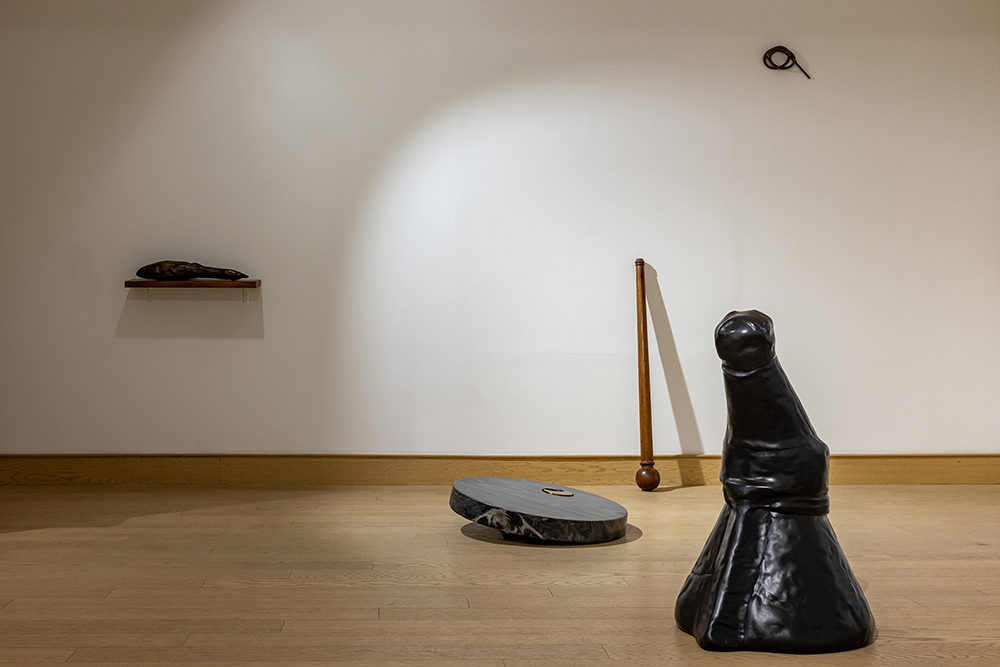
Baggage From ‘The Longest March’
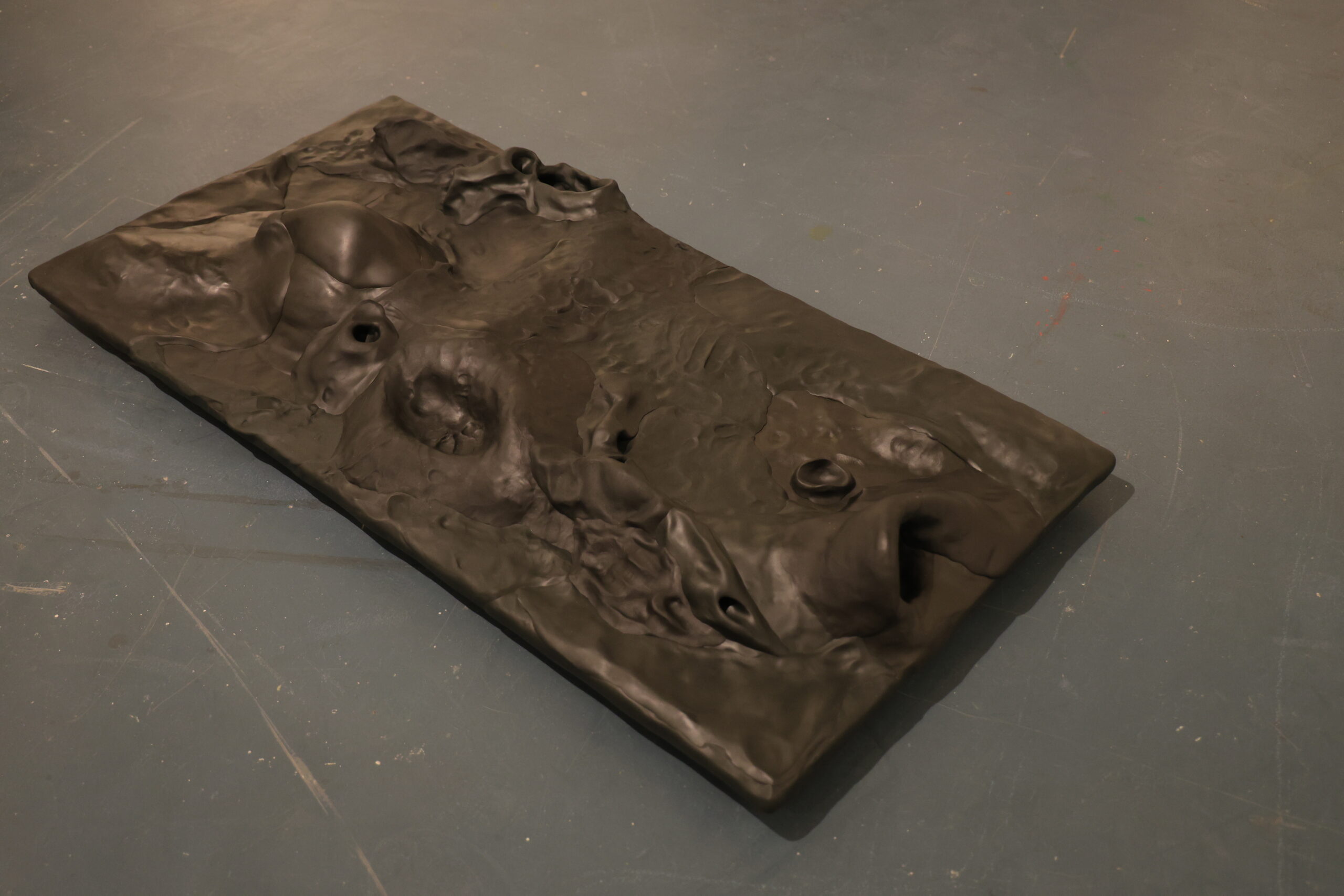
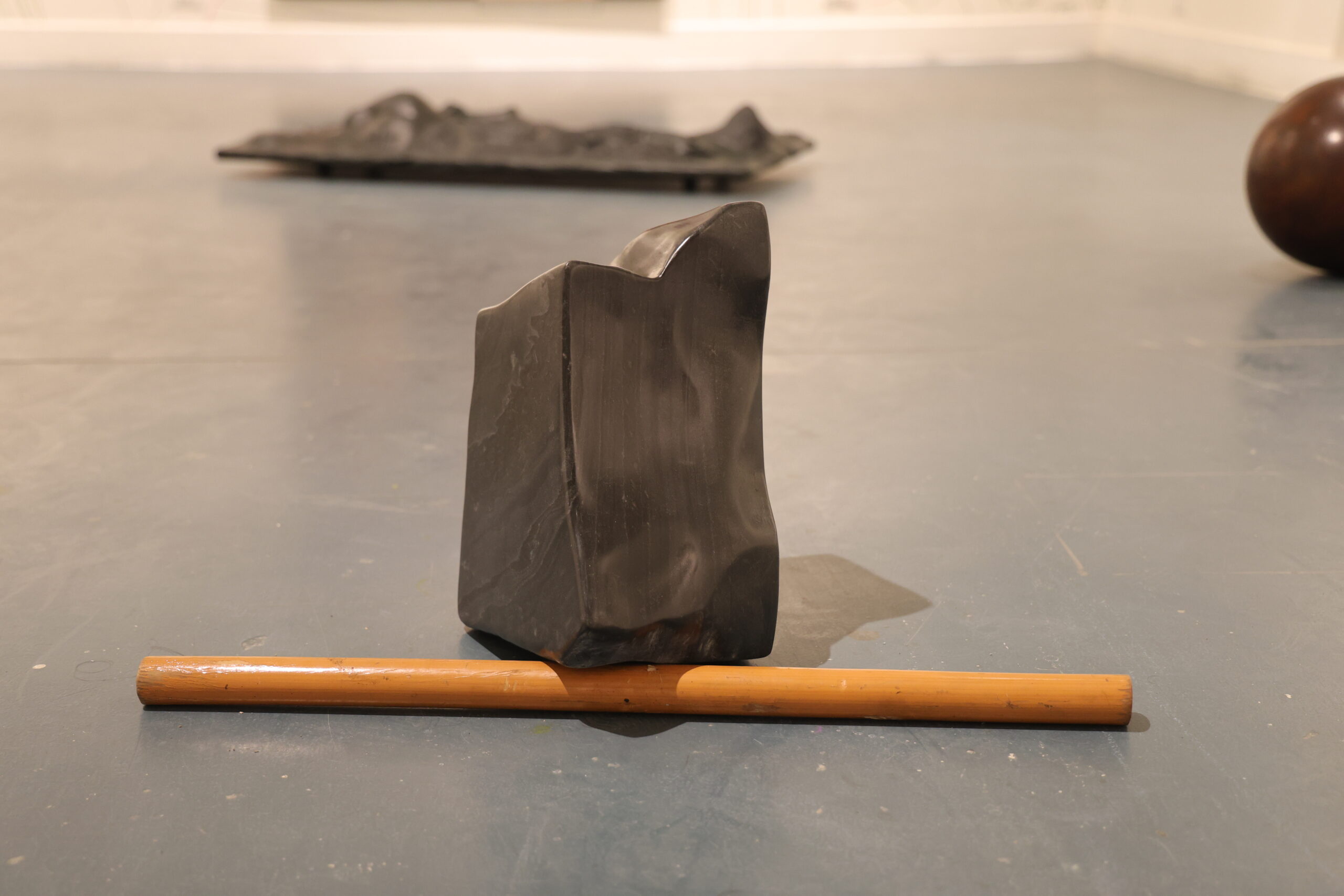
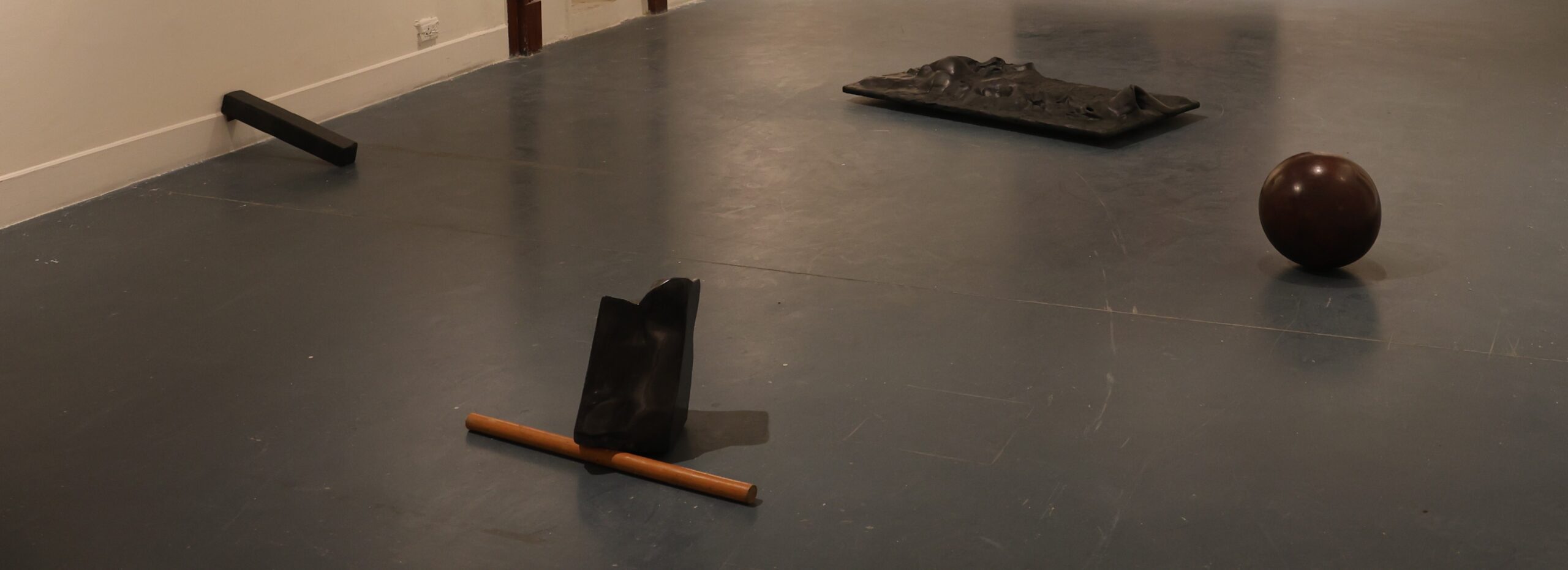
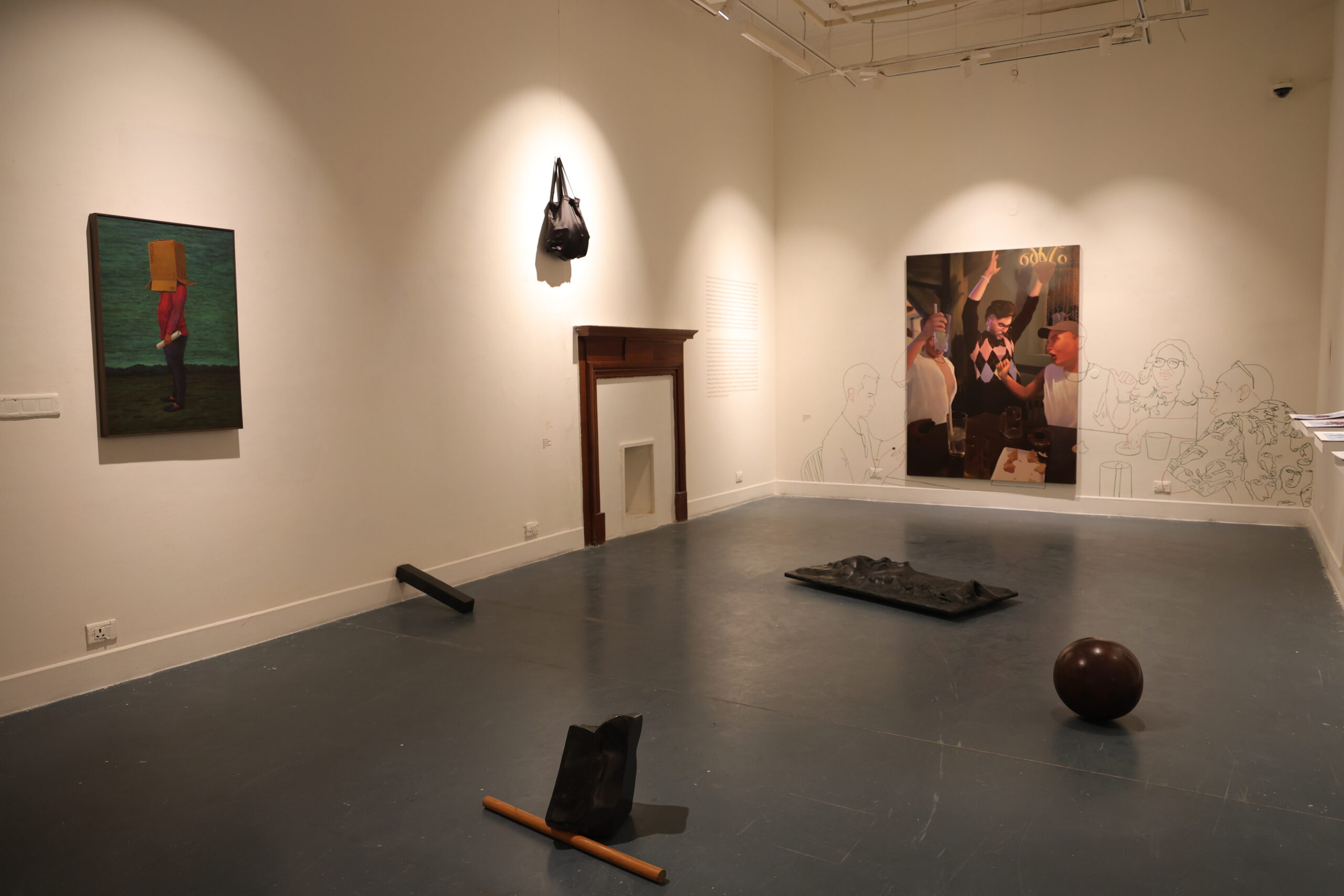
Shape as Evidence
Bikaner House, New Delhi
Curated by Adwait Singh and organized by MAG.
Bikaner House, New Delhi
Curated by Adwait Singh and organized by MAG.
As a performance artist, I have always viewed sculpture-making as a performative act, with the resulting object serving as evidence of movement and time spent. This series of objects evokes the gradual imprint of time on the environment, resonating with my project ‘Shape as Evidence.’ The project delves into personal resistance and its connections with time and trauma, highlighting the repetitive and concentrated forces that shape both our internal and external landscapes.



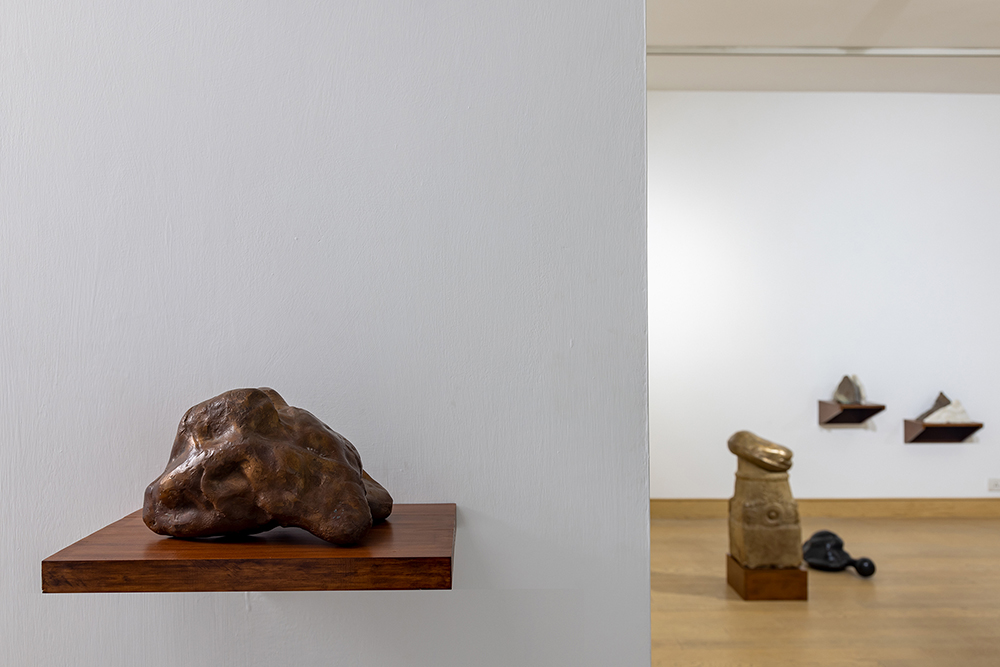
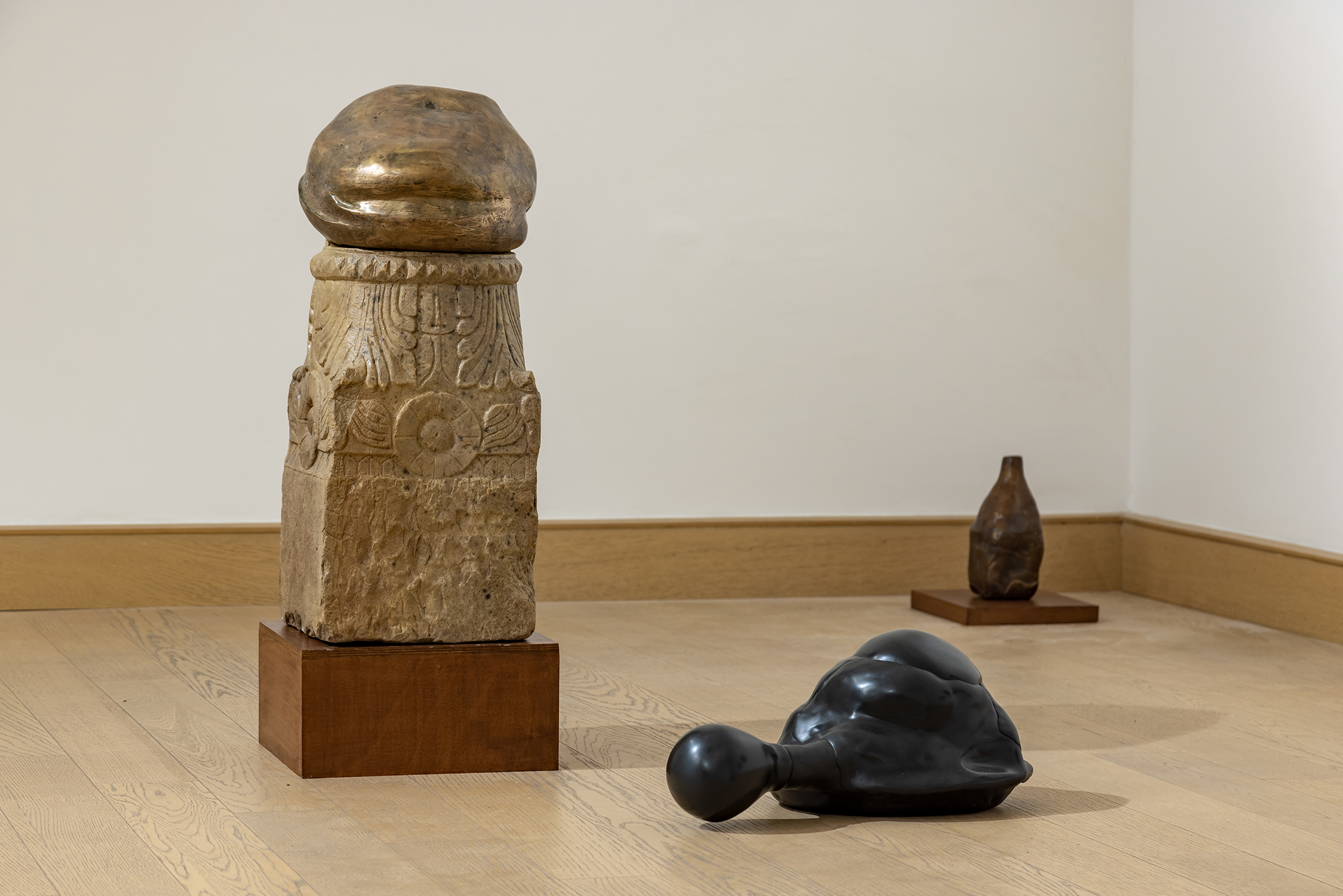
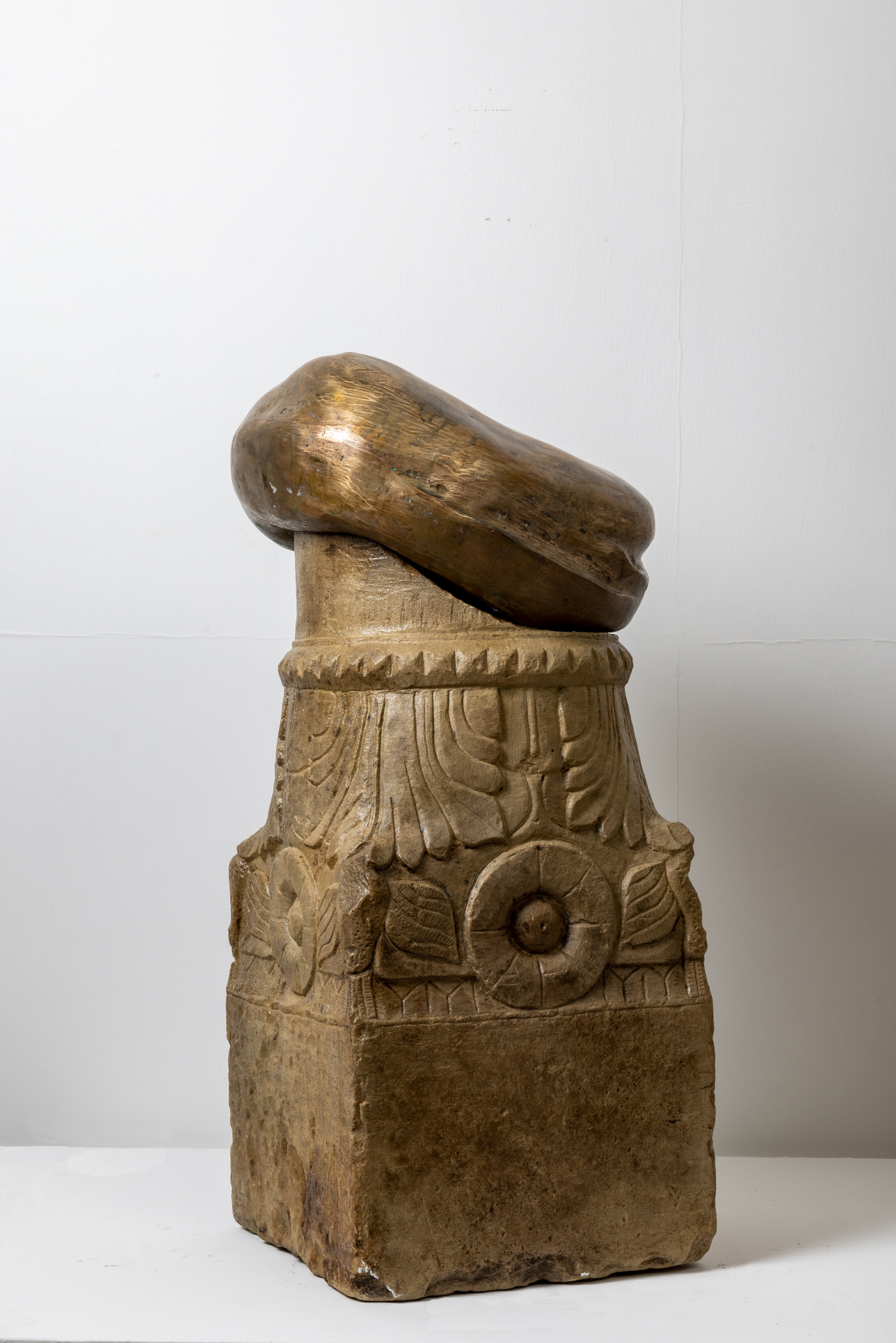
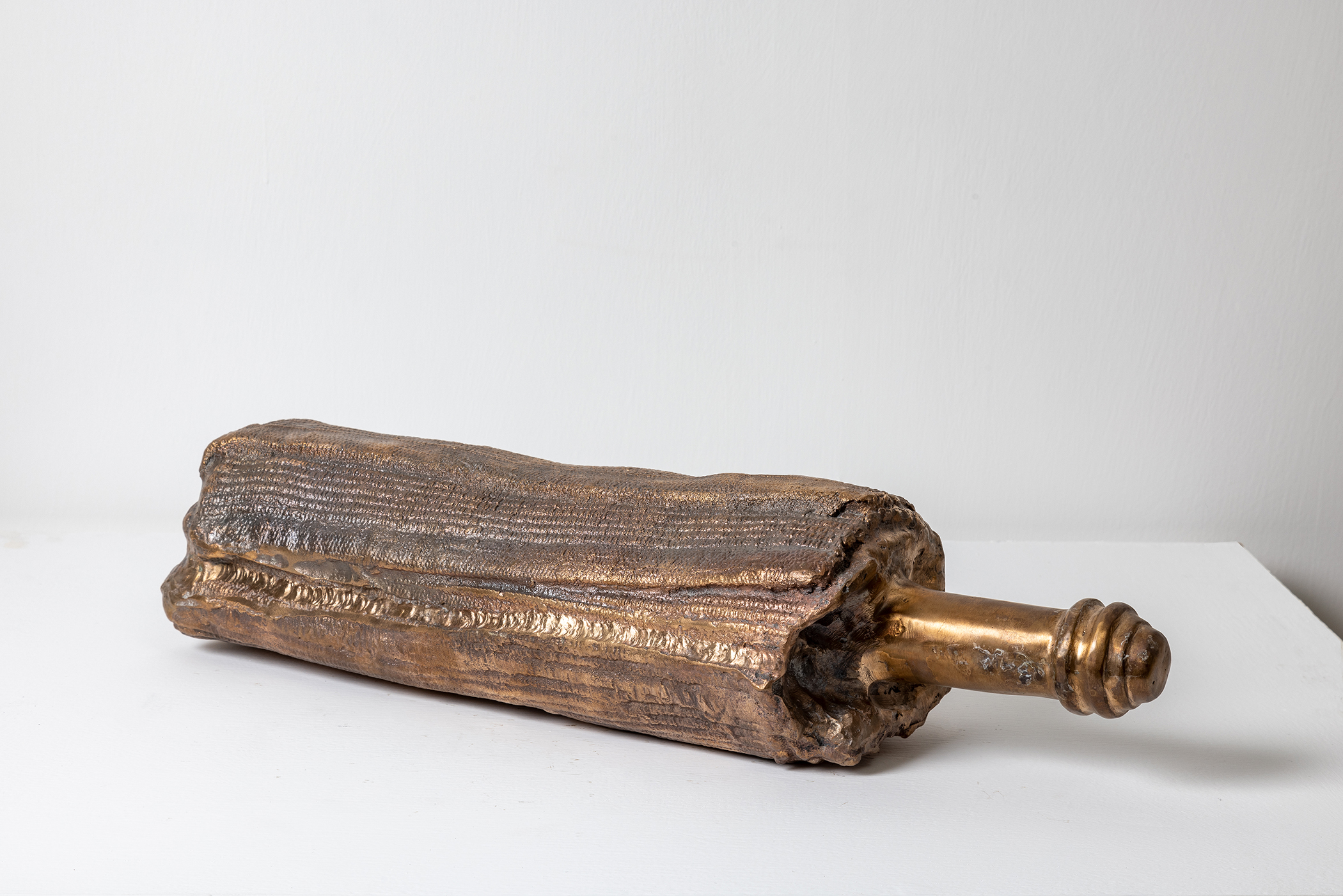
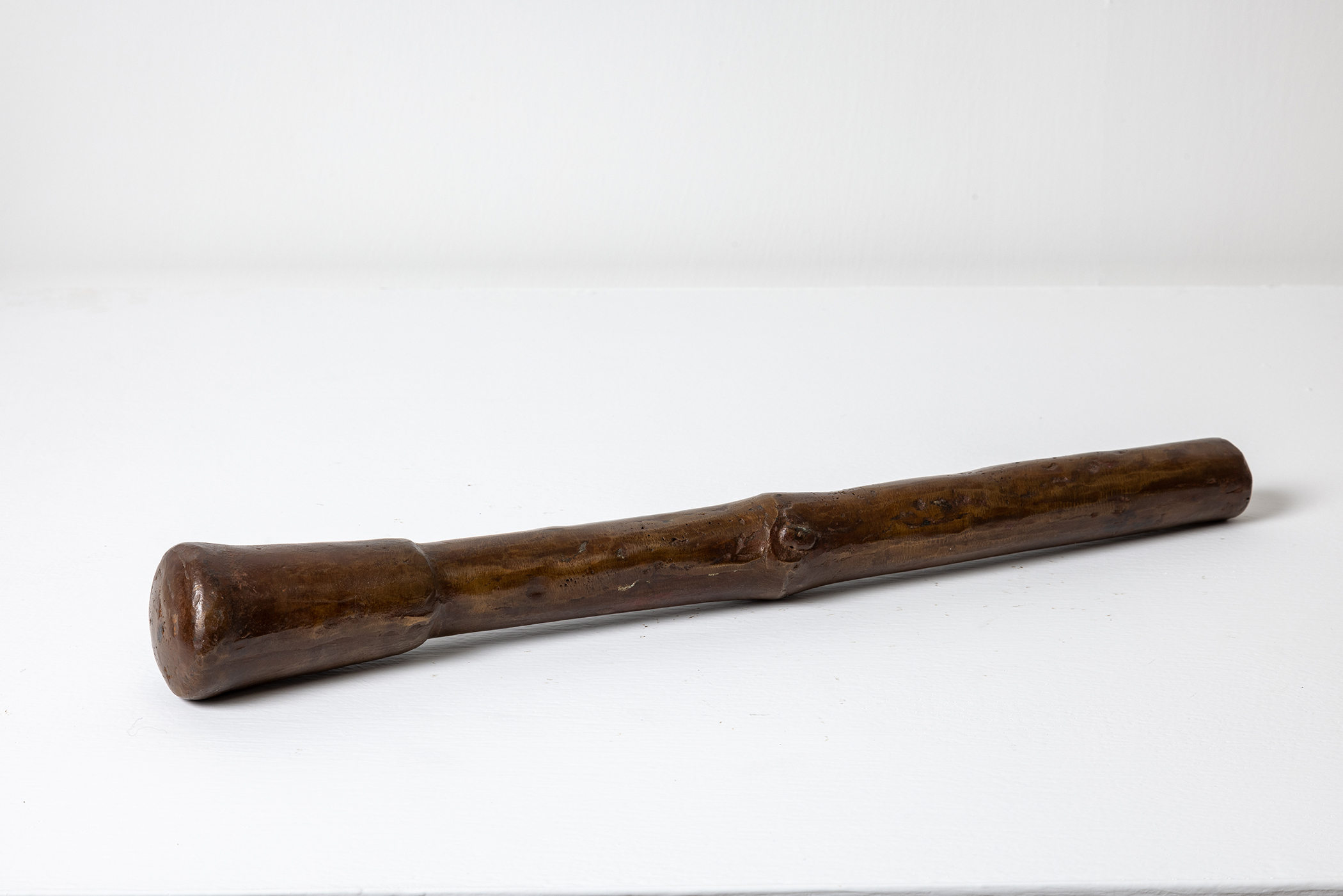
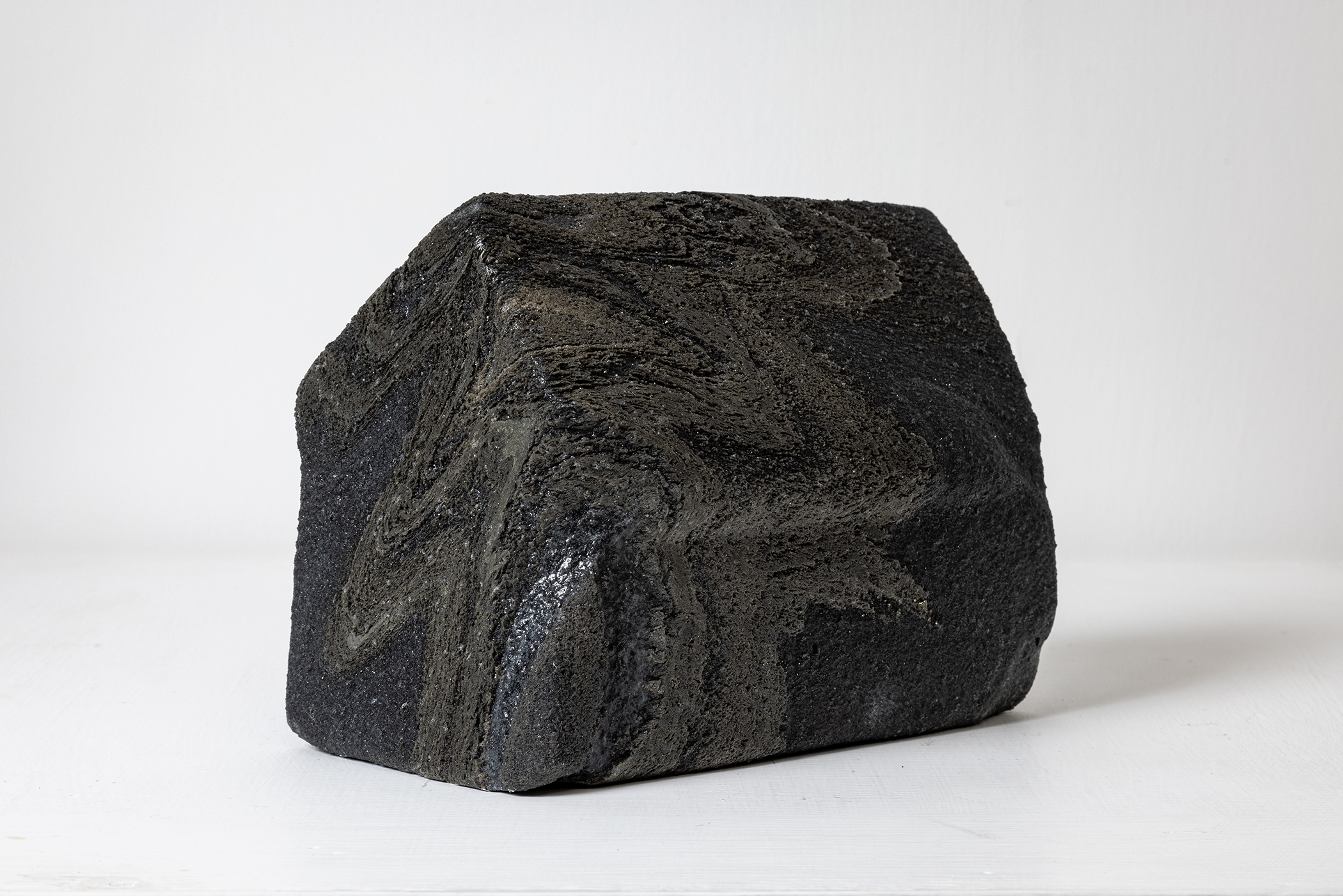
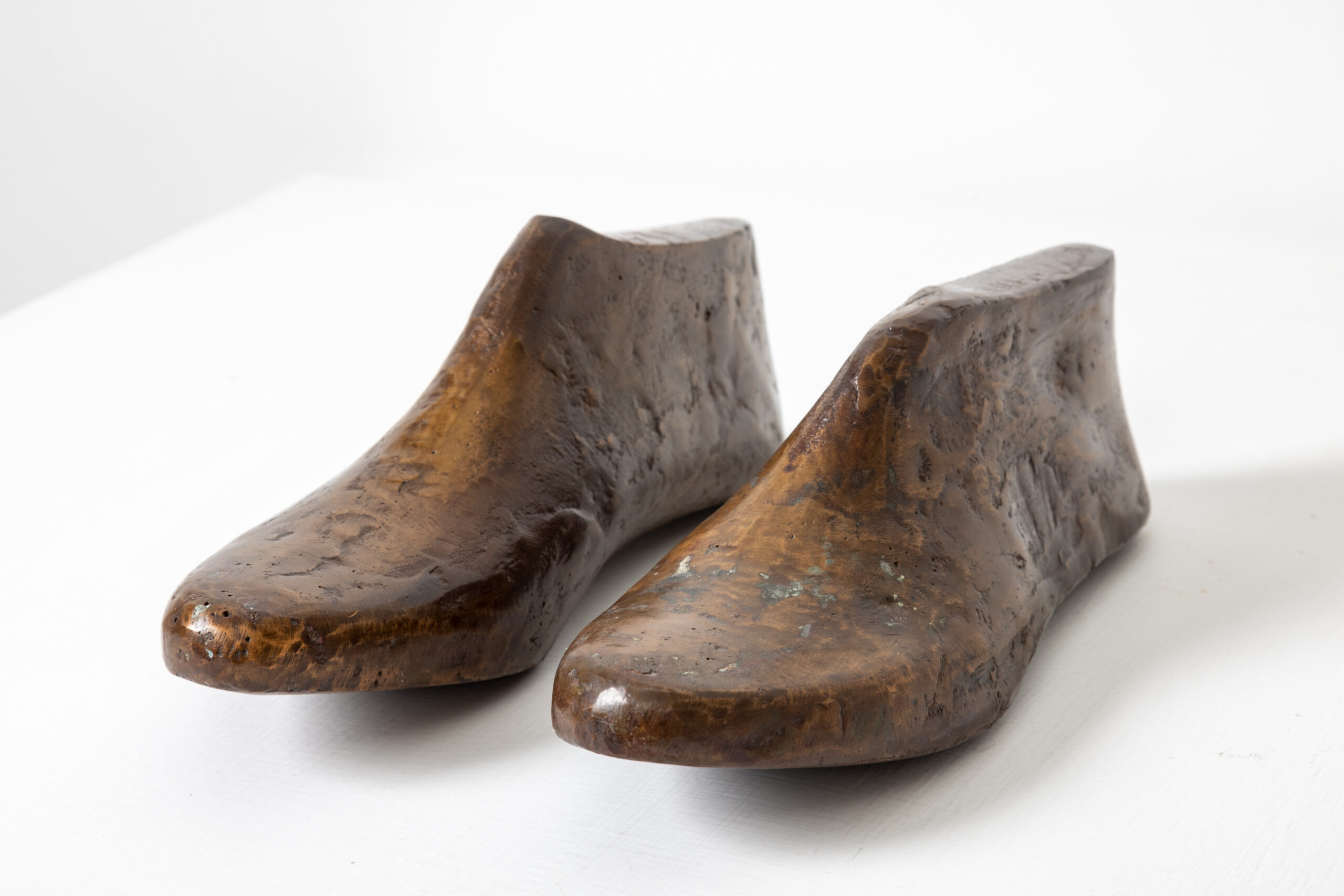
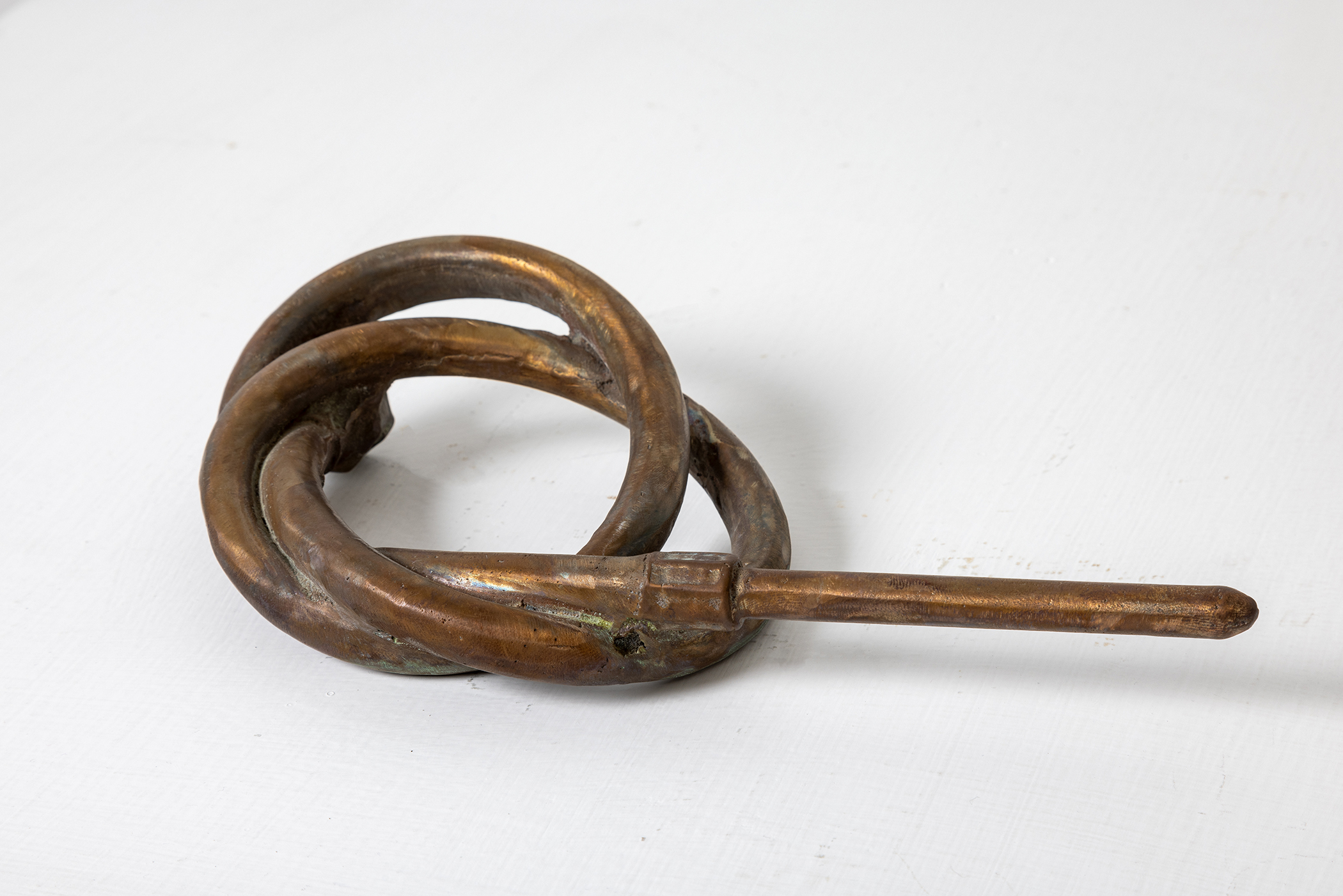
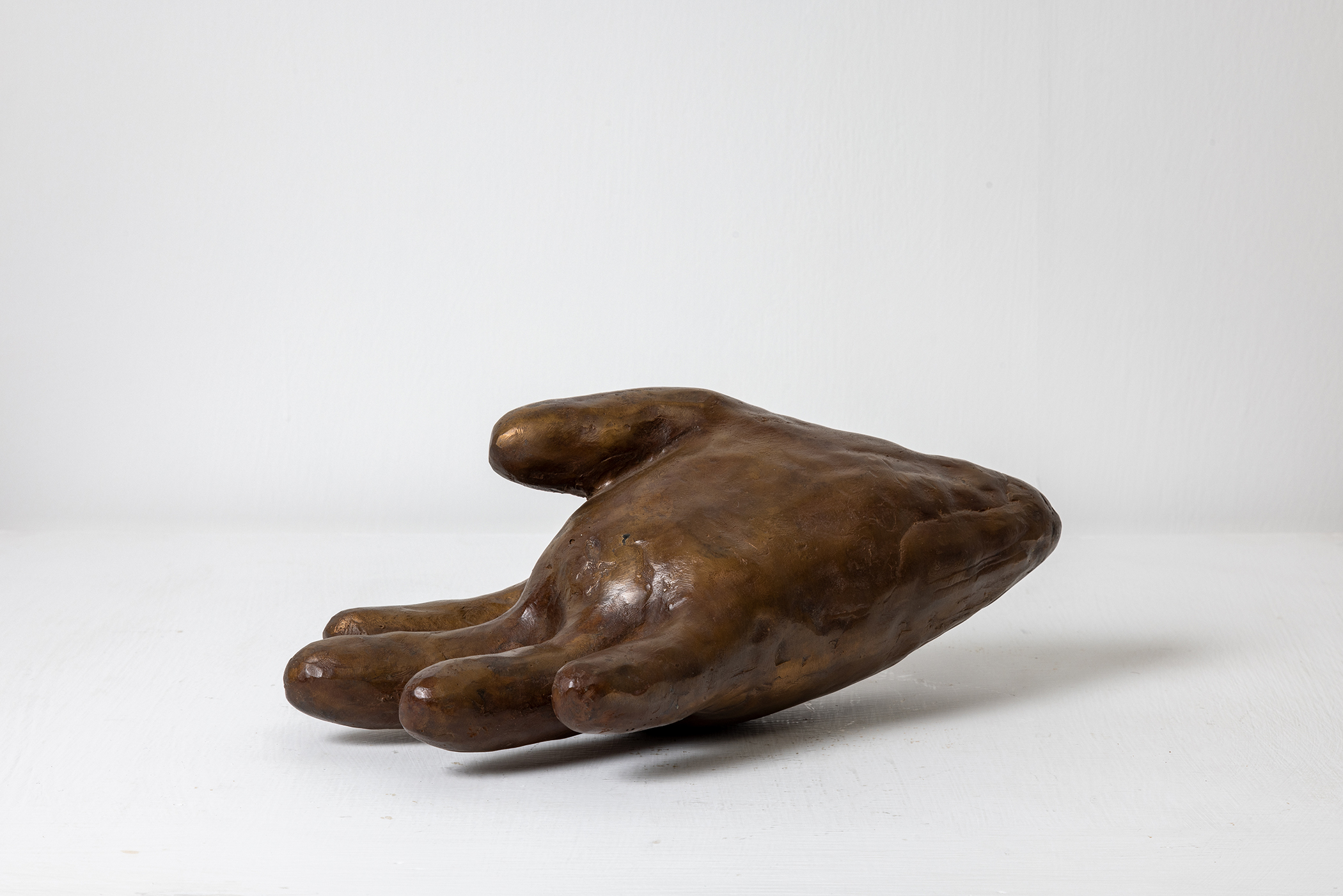
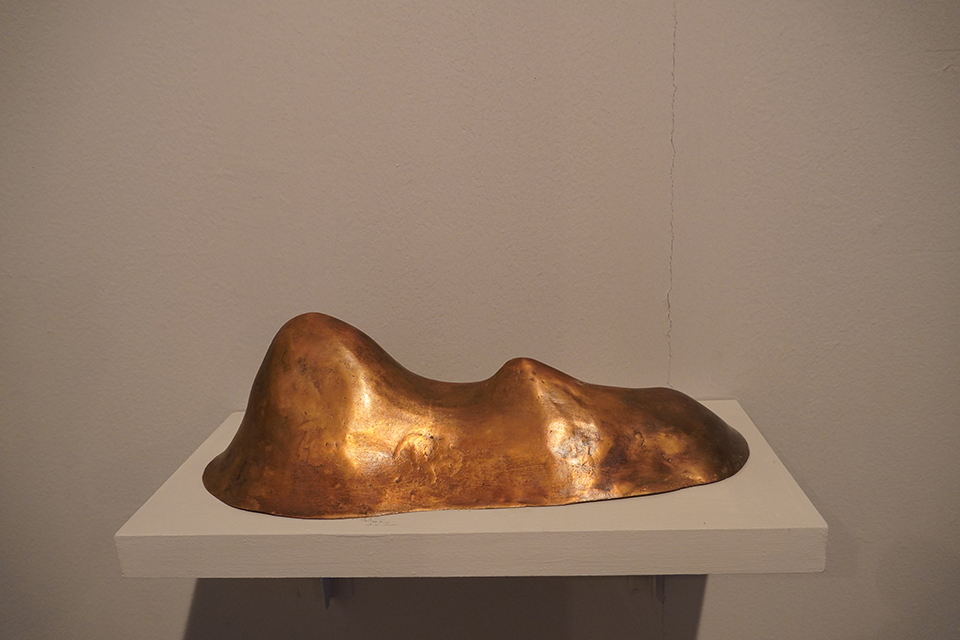
Baggage from ‘The Longest March’
Nature Morte (New Delhi)
Year – 2022-23
Nature Morte (New Delhi)
Year – 2022-23
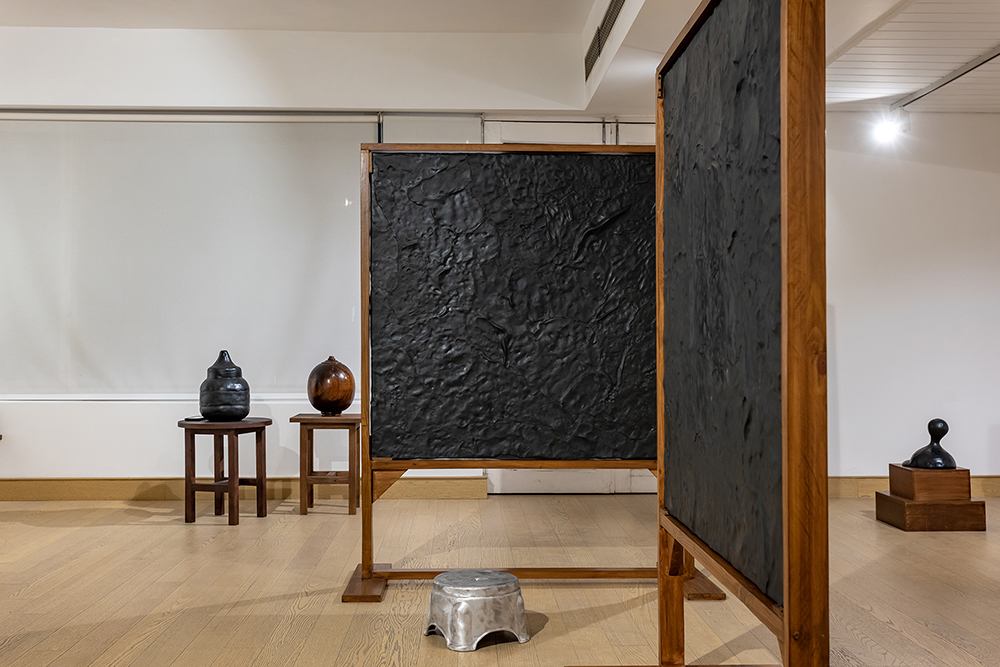
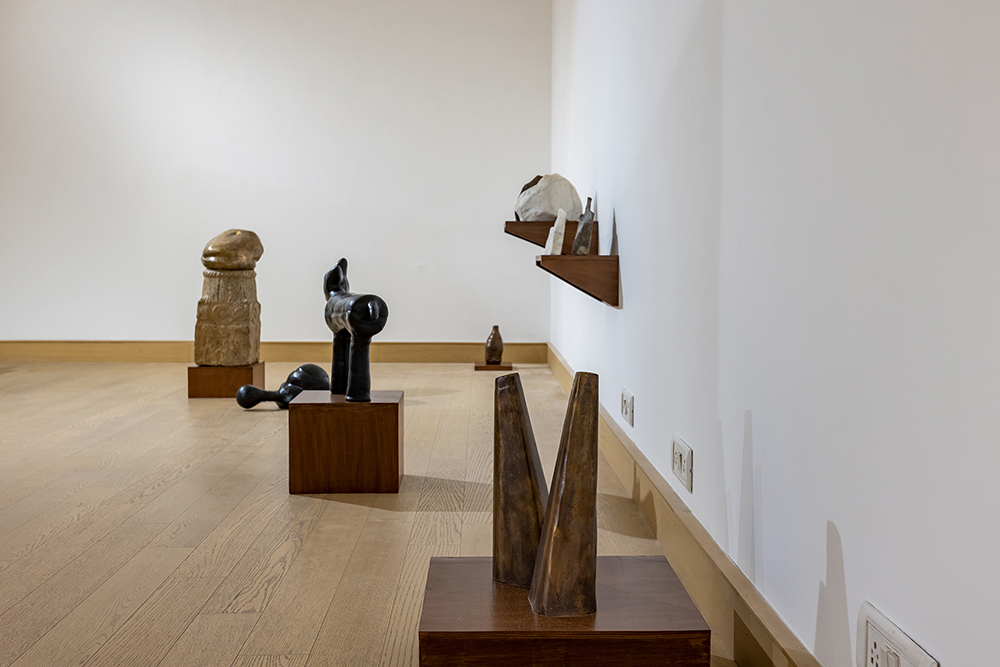
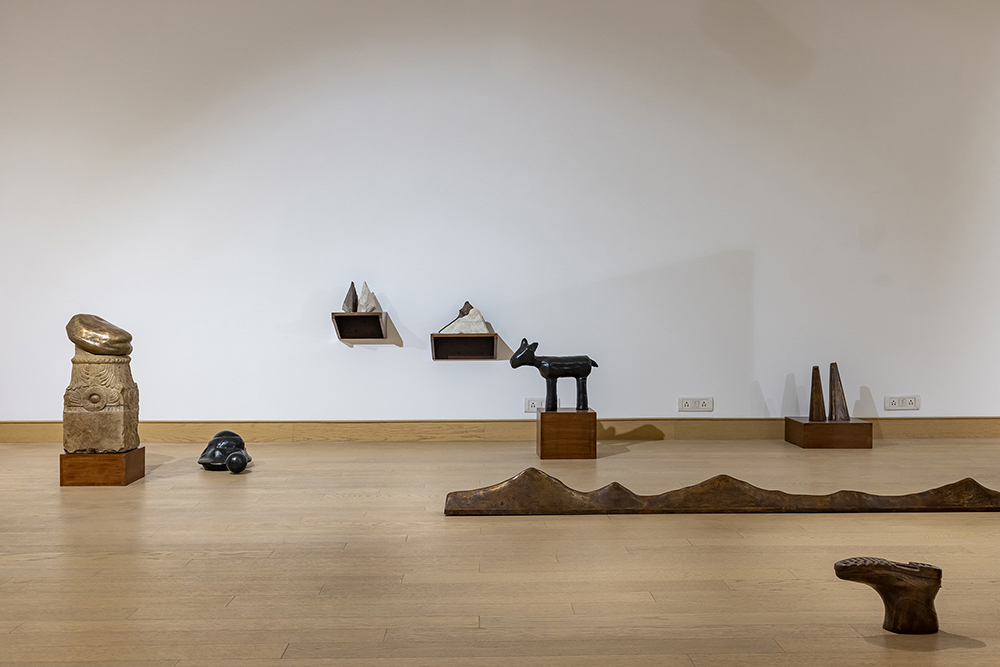
In this exhibition, the artist presents a series of enigmatic three-dimensional objects made from bronze, wood, stone, and sealants—an epoxy putty commonly used for repairing objects, filling cracks, and sealing leaks. Jha’s sculptures resemble everyday items, yet their forms remain elusive, challenging viewers’ perceptions.
As the exhibition unfolds, a dialogue emerges between these small-scale sculptures, encouraging viewers to reimagine their own sensory experiences and memories. The term “baggage” in the exhibition’s title refers to the physical and psychological burdens we carry throughout our lives. “The Longest March” alludes to the pandemic lockdown, a period that forced people to reevaluate their daily existence.
This project extends Jha’s previous explorations of the idea of return—both in time and space. As part of the exhibition, Jha also performed as a magician, narrating the stories behind these objects.
As the exhibition unfolds, a dialogue emerges between these small-scale sculptures, encouraging viewers to reimagine their own sensory experiences and memories. The term “baggage” in the exhibition’s title refers to the physical and psychological burdens we carry throughout our lives. “The Longest March” alludes to the pandemic lockdown, a period that forced people to reevaluate their daily existence.
This project extends Jha’s previous explorations of the idea of return—both in time and space. As part of the exhibition, Jha also performed as a magician, narrating the stories behind these objects.
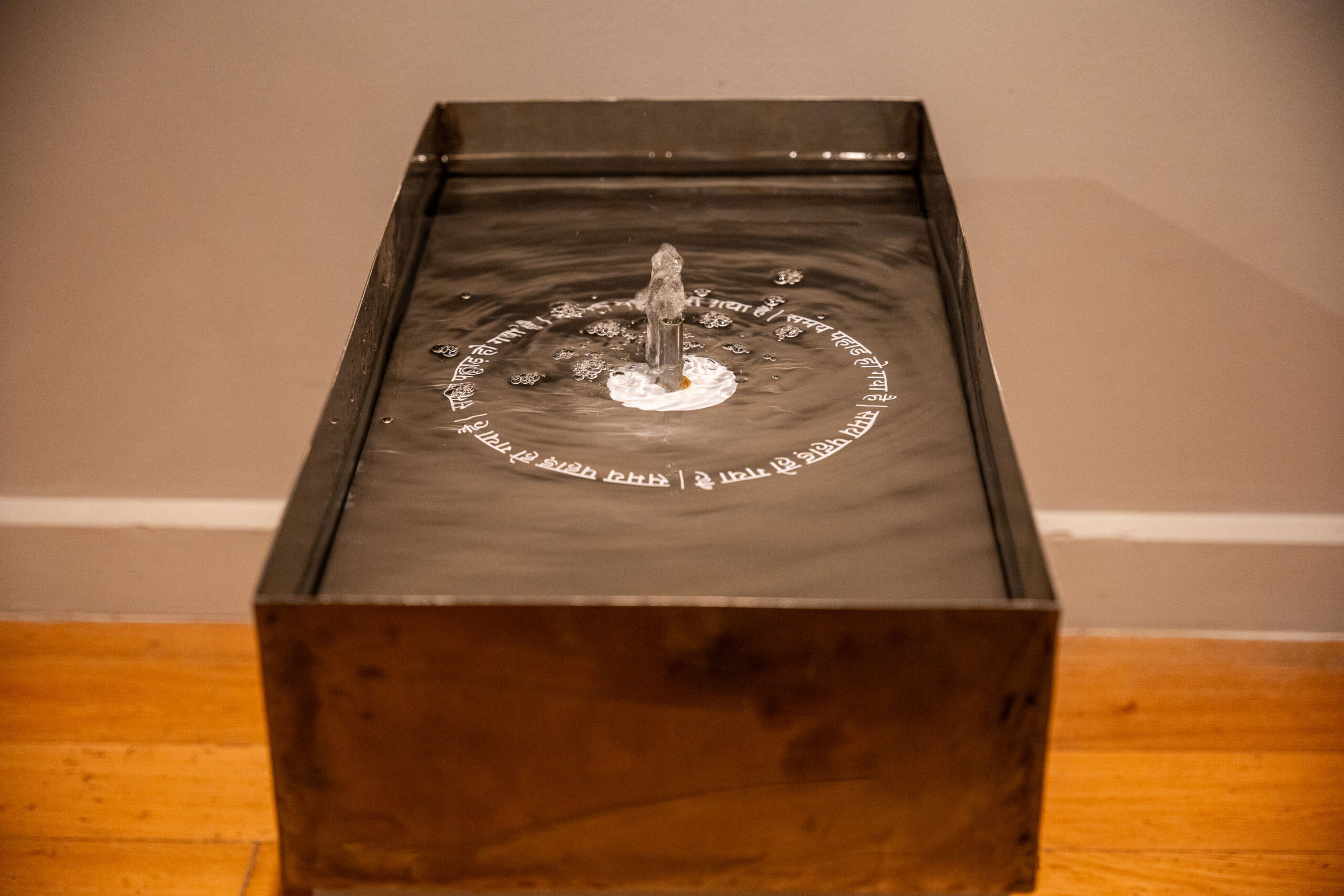

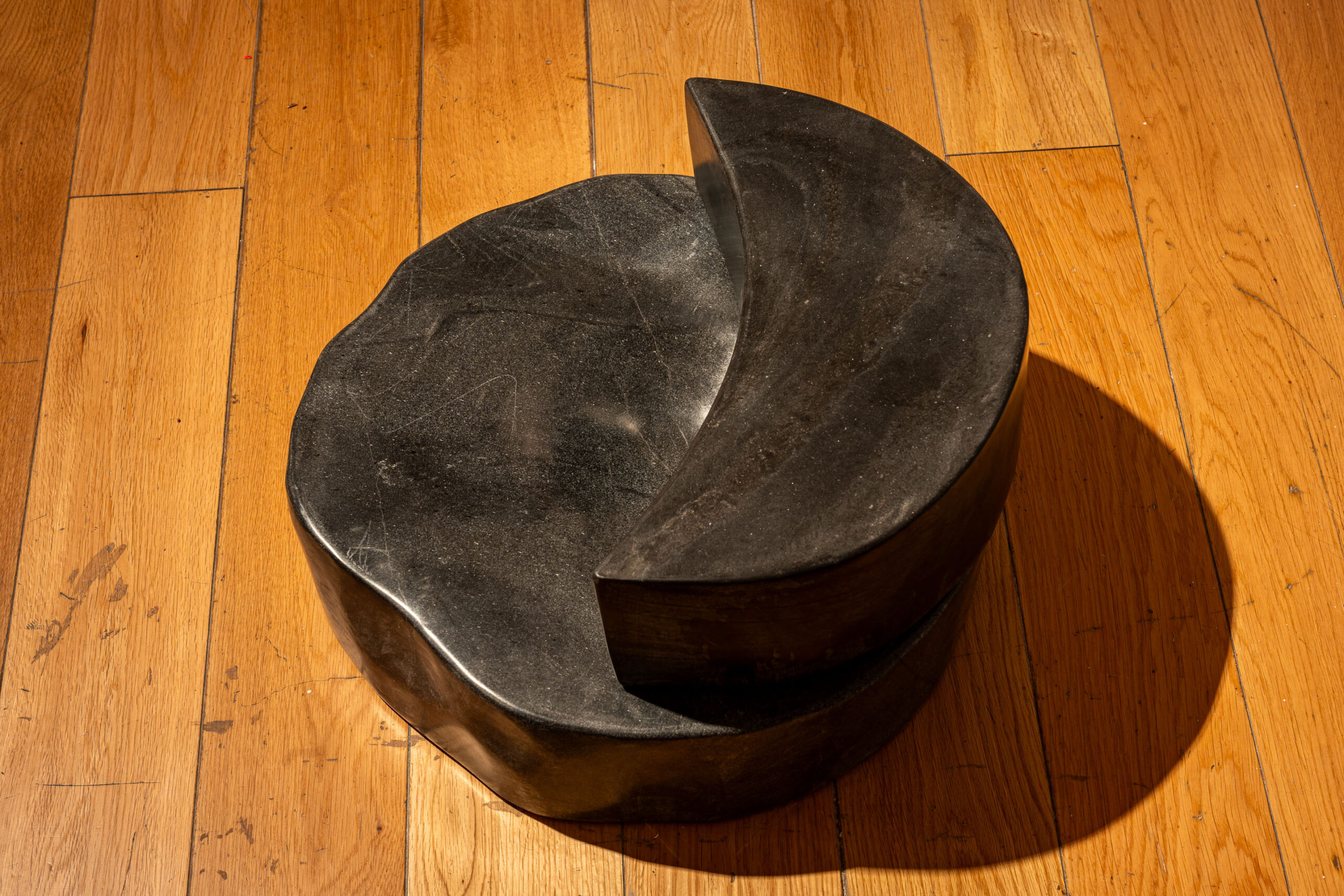


Returning to Earth – A Kinder Search for Home
Commissioned by the Samdani Art Foundation and the Kiran Nadar Museum of Art (2022–2023), this work was part of Very Small Feelings, curated by Akansha Rastogi and Diana Campbell. It was first presented at the Dhaka Art Summit (February 3–11, 2023) and later exhibited at the Kiran Nadar Museum of Art in New Delhi (July 4–October 3, 2023).
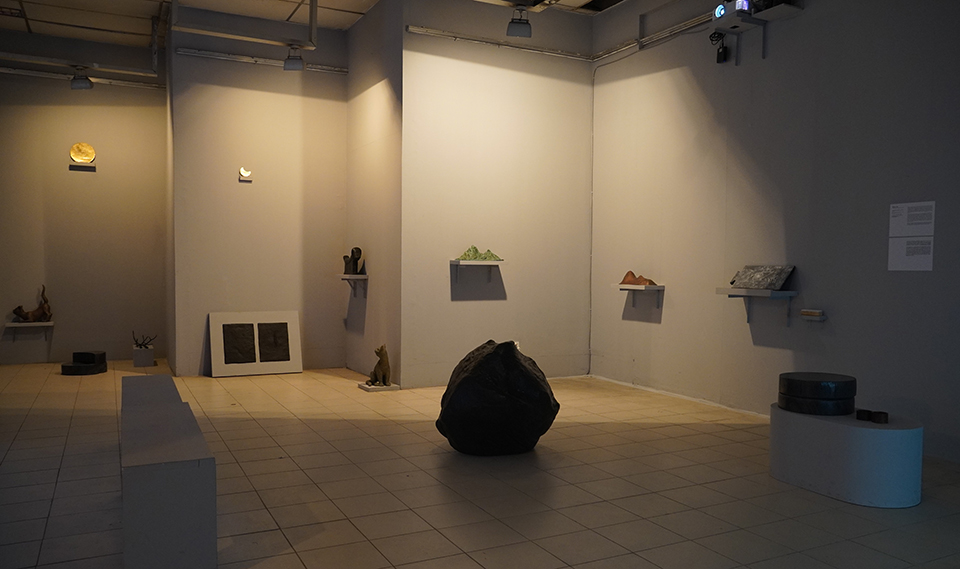
Murari Jha stages a landscape that we carry within us—seen, felt, and absorbed. This work emerged from his reflections on the desperate journeys of millions of migrant laborers who braved all odds to return home during India’s first COVID lockdown, even at the cost of their lives. Thus, returning to the earth becomes a gentler search for and understanding of home.
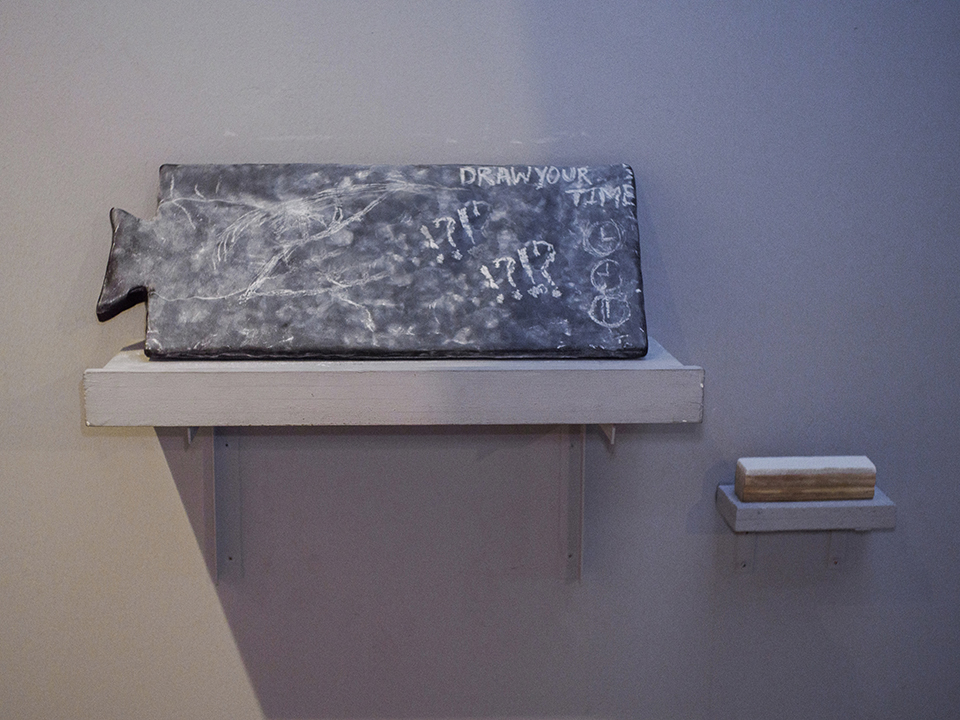
Jha encourages us to immerse ourselves in his scattered arrangements, replenishing memories of our growing-up landscapes and our relationships with the sun, moon, mountains, earth, trees, water, and animals. By inviting and accumulating observations, stories, and personal and social associations with each element—alongside colloquial phraseology and idioms—Jha invites visitors to interact, play, touch, speak, and write on a provided slate within the installation. Working across multiple mediums Jha’s project reveals the personal trauma that shapes both the body and the spaces it inhabits.
Commissioned by the Samdani Art Foundation and the Kiran Nadar Museum of Art (2022–2023), this work was part of Very Small Feelings, curated by Akansha Rastogi and Diana Campbell. It was first presented at the Dhaka Art Summit (February 3–11, 2023) and later exhibited at the Kiran Nadar Museum of Art in New Delhi (July 4–October 3, 2023).
Murari Jha stages a landscape that we carry within us—seen, felt, and absorbed. This work emerged from his reflections on the desperate journeys of millions of migrant laborers who braved all odds to return home during India’s first COVID lockdown, even at the cost of their lives. Thus, returning to the earth becomes a gentler search for and understanding of home.
Jha encourages us to immerse ourselves in his scattered arrangements, replenishing memories of our growing-up landscapes and our relationships with the sun, moon, mountains, earth, trees, water, and animals. By inviting and accumulating observations, stories, and personal and social associations with each element—alongside colloquial phraseology and idioms—Jha invites visitors to interact, play, touch, speak, and write on a provided slate within the installation. Working across multiple mediums Jha’s project reveals the personal trauma that shapes both the body and the spaces it inhabits.

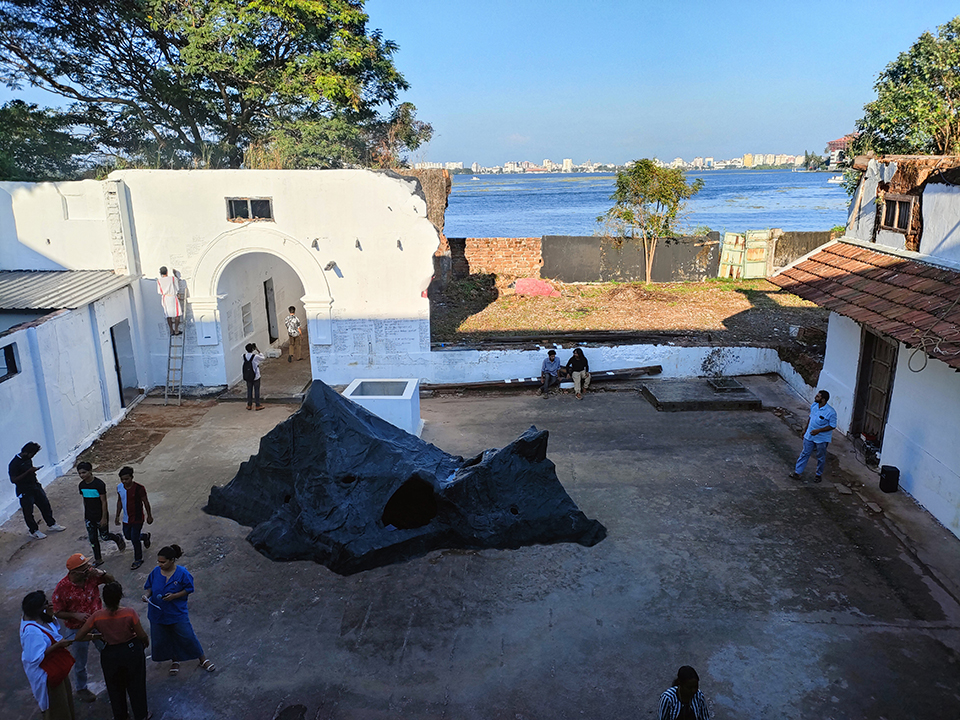
समय पहाड हो गया हैl
‘Samay Pahad Ho Gaya Hein’ _A memory of time.
Installation-268x129x100 inches
Durational Performance Year-2022-23
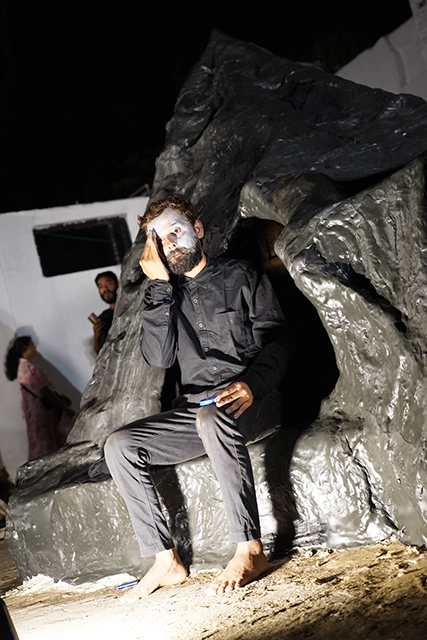
The live art at Dutch Warehouse, curated by HH Artspace in collaboration with the Kochi Biennale Foundation, unfolded from early morning until night. The performance encapsulated the rhythms of daily labor through the repetitive sounds of anklet bells and deliberate body movements, gradually building an intense physical presence. Over time, the space transformed into a performative sculpture—an evolving mountain.
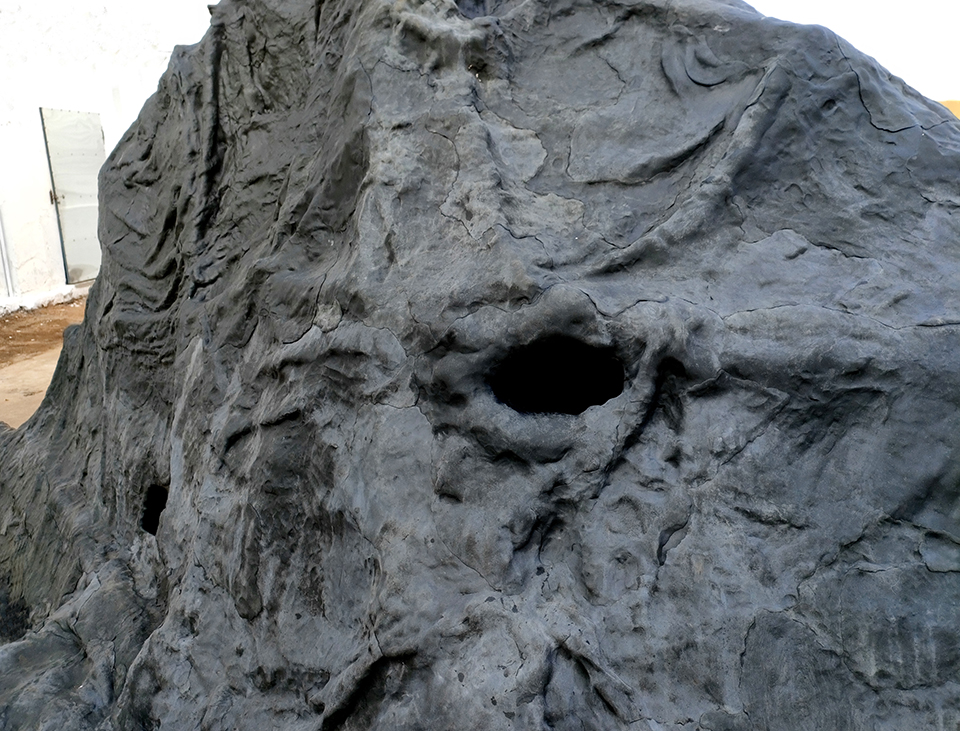
This mountain embodied the “holding time” of past memories, inspired by a phrase from Jha’s mother, a North Indian metaphor: “Samay Pahad Ho Gaya Hein”—”Time has become a mountain.” The expression conveys the weight and absurdity of time, its accumulation pressing upon the present.
As the mountain took form, it became both a shelter and a stage—an open space where spectators turned into performers. They sang, spoke, and engaged with the space’s textures, warmth, and scent, immersing themselves in a sensory experience that transported them back in time.
‘Samay Pahad Ho Gaya Hein’ _A memory of time.
Installation-268x129x100 inches
Durational Performance Year-2022-23
The live art at Dutch Warehouse, curated by HH Artspace in collaboration with the Kochi Biennale Foundation, unfolded from early morning until night. The performance encapsulated the rhythms of daily labor through the repetitive sounds of anklet bells and deliberate body movements, gradually building an intense physical presence. Over time, the space transformed into a performative sculpture—an evolving mountain.
This mountain embodied the “holding time” of past memories, inspired by a phrase from Jha’s mother, a North Indian metaphor: “Samay Pahad Ho Gaya Hein”—”Time has become a mountain.” The expression conveys the weight and absurdity of time, its accumulation pressing upon the present.
As the mountain took form, it became both a shelter and a stage—an open space where spectators turned into performers. They sang, spoke, and engaged with the space’s textures, warmth, and scent, immersing themselves in a sensory experience that transported them back in time.