The Future of Nostalgia
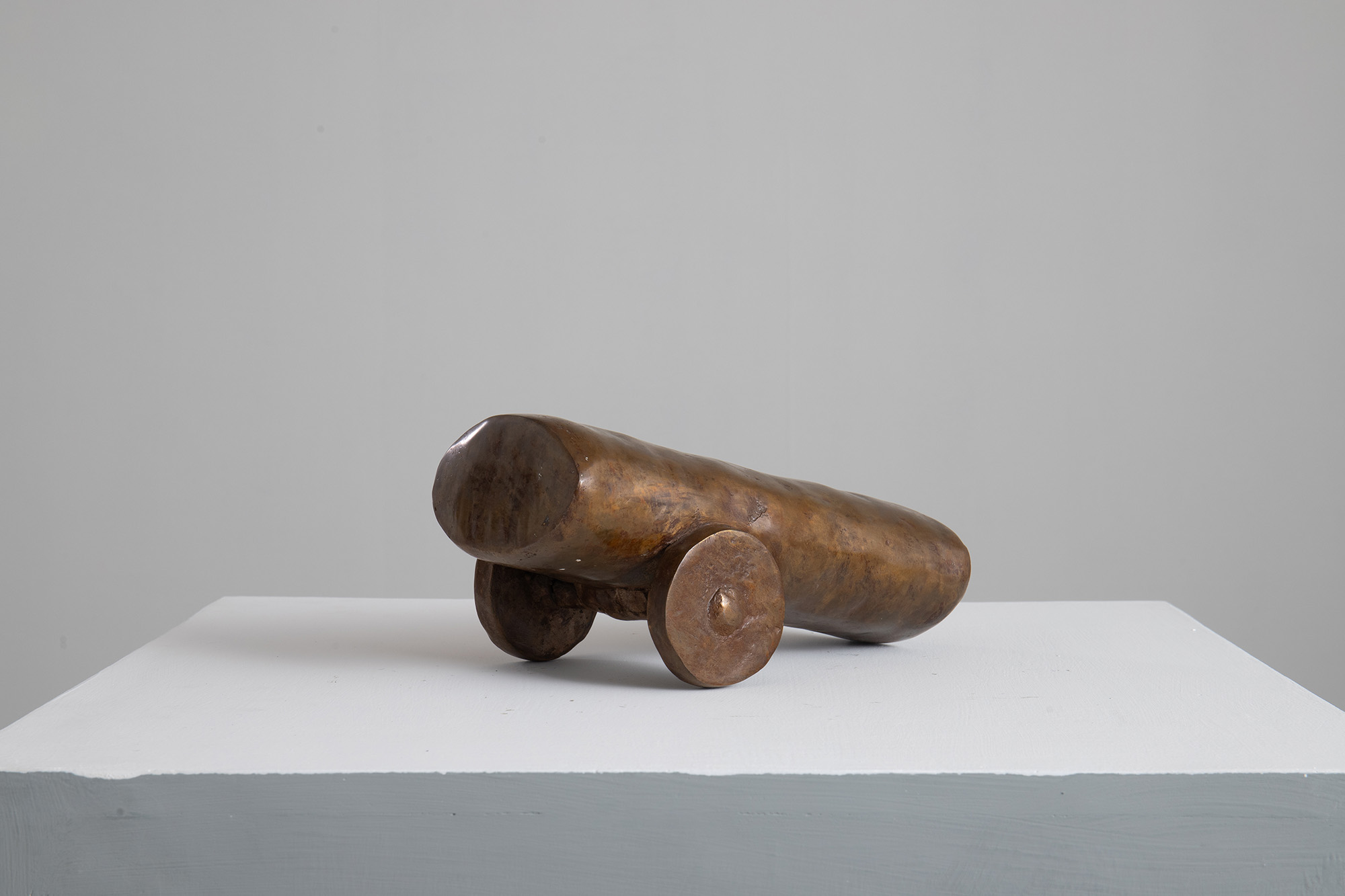
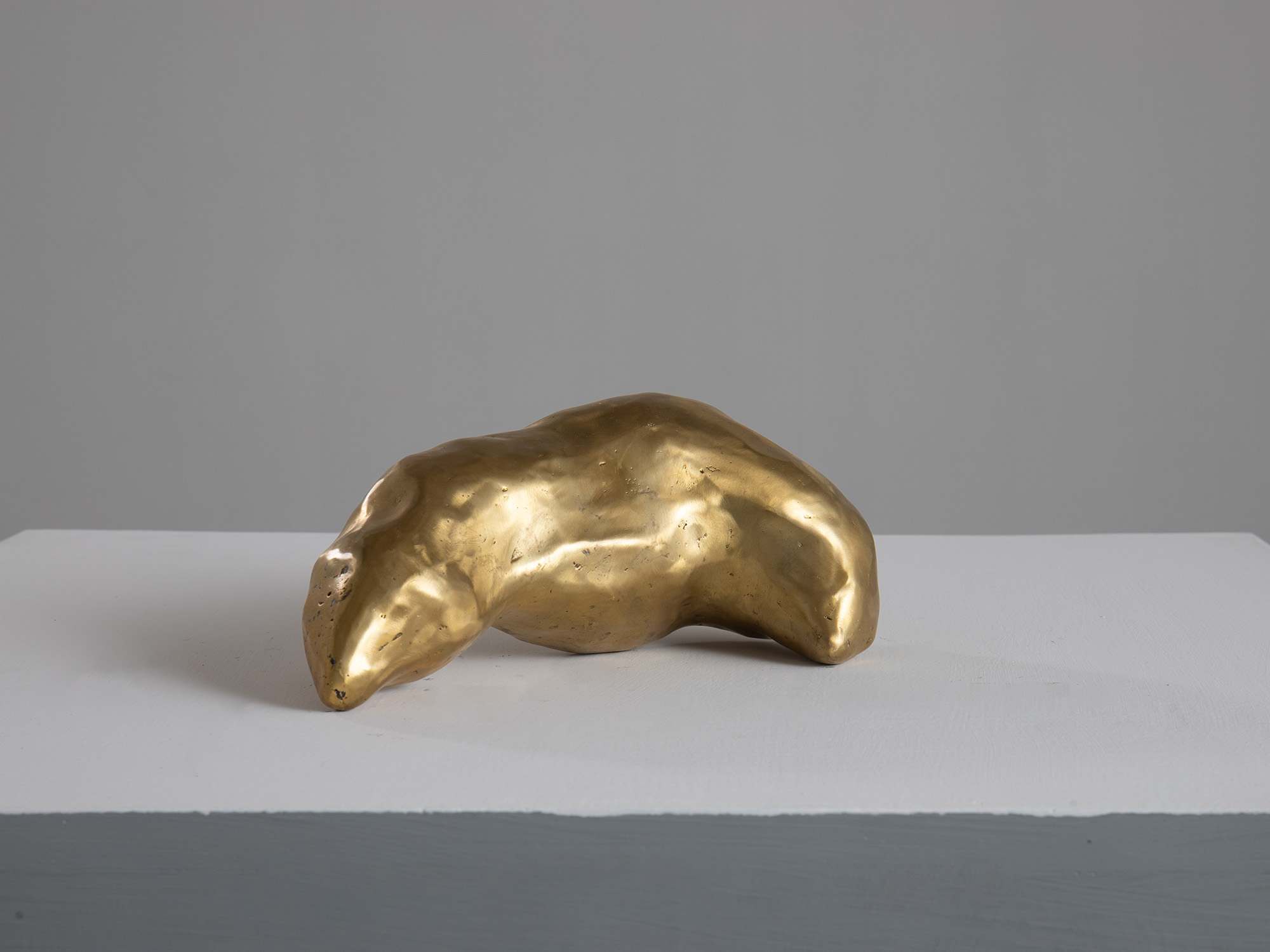
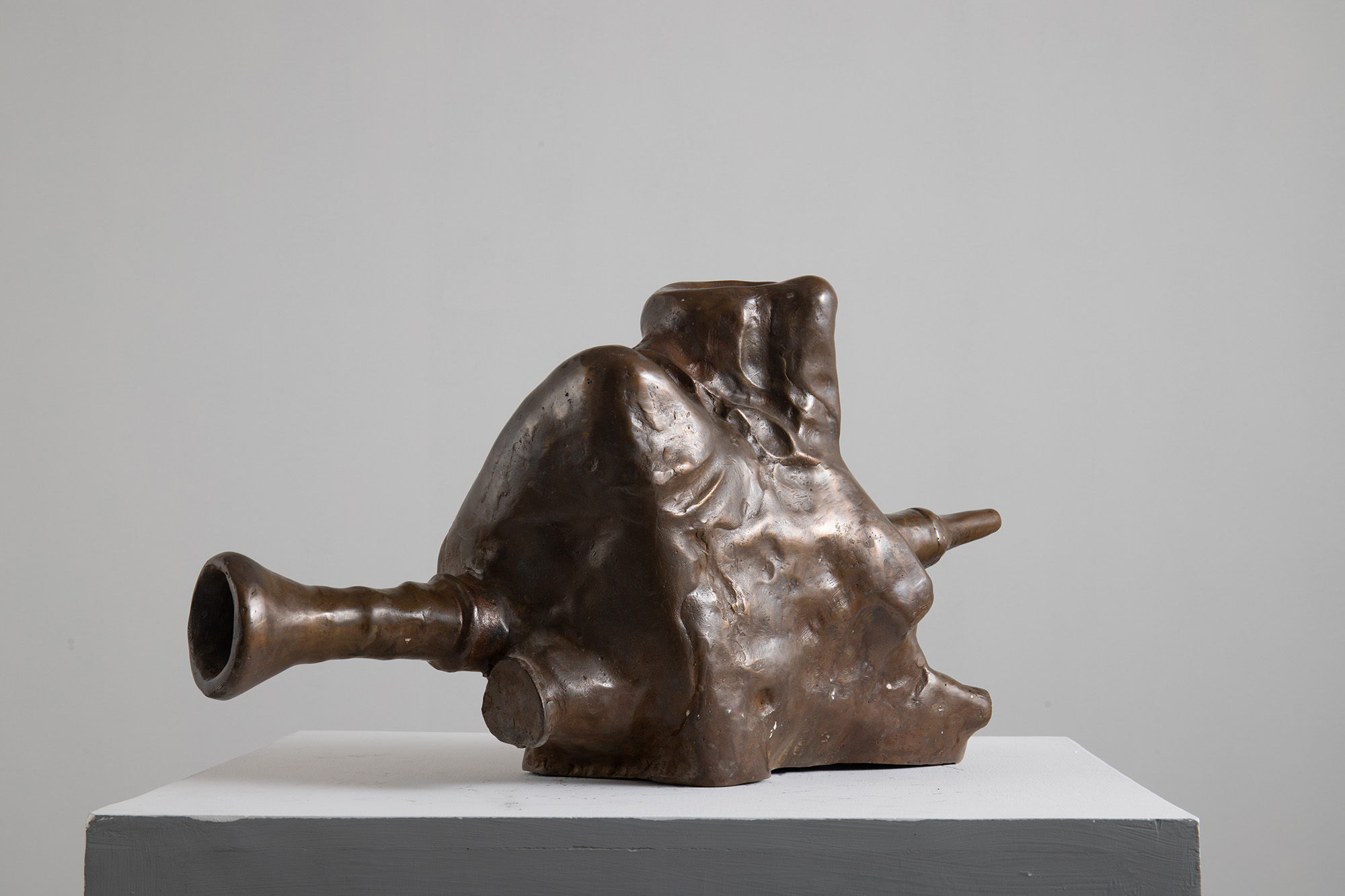
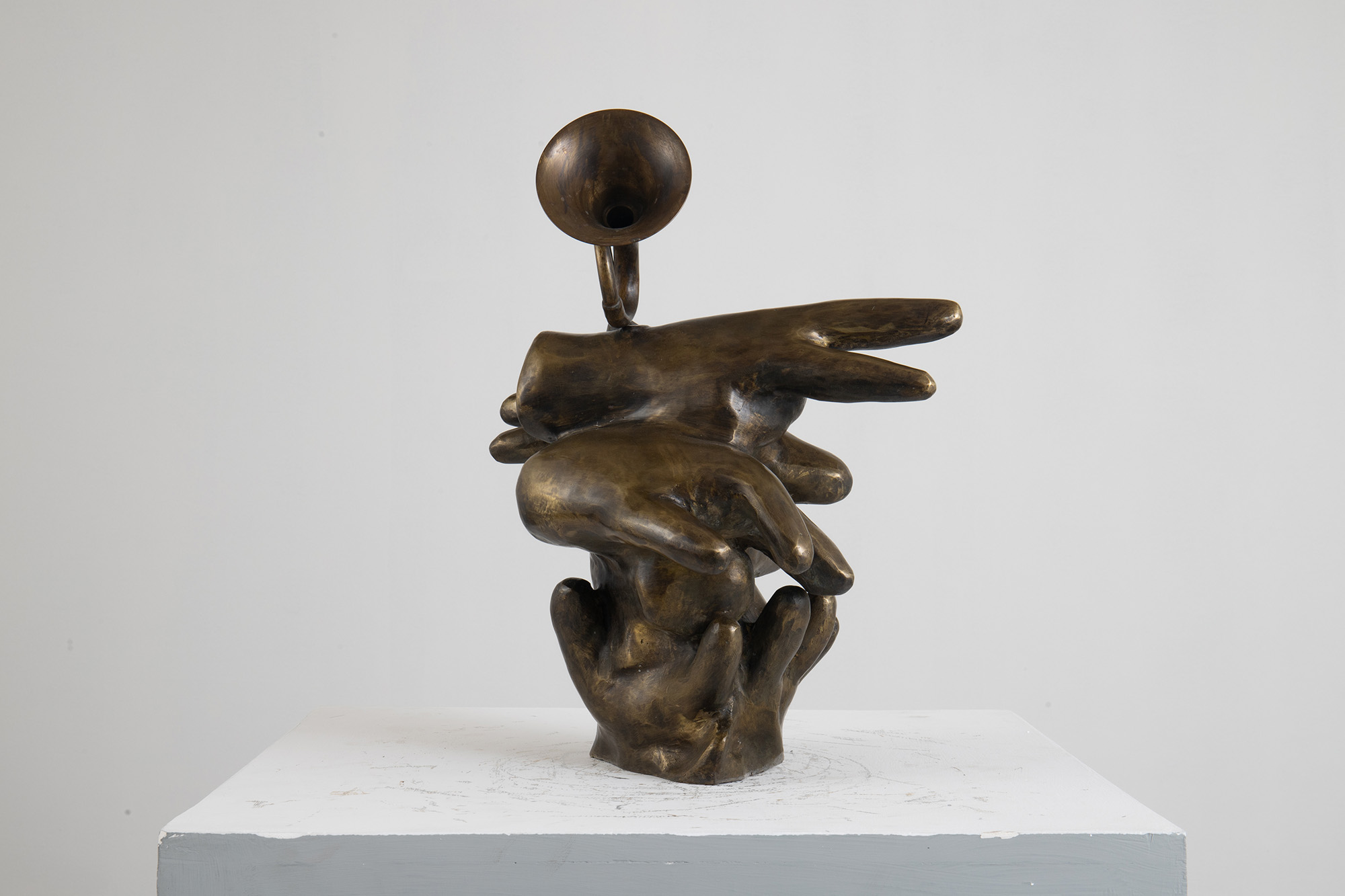
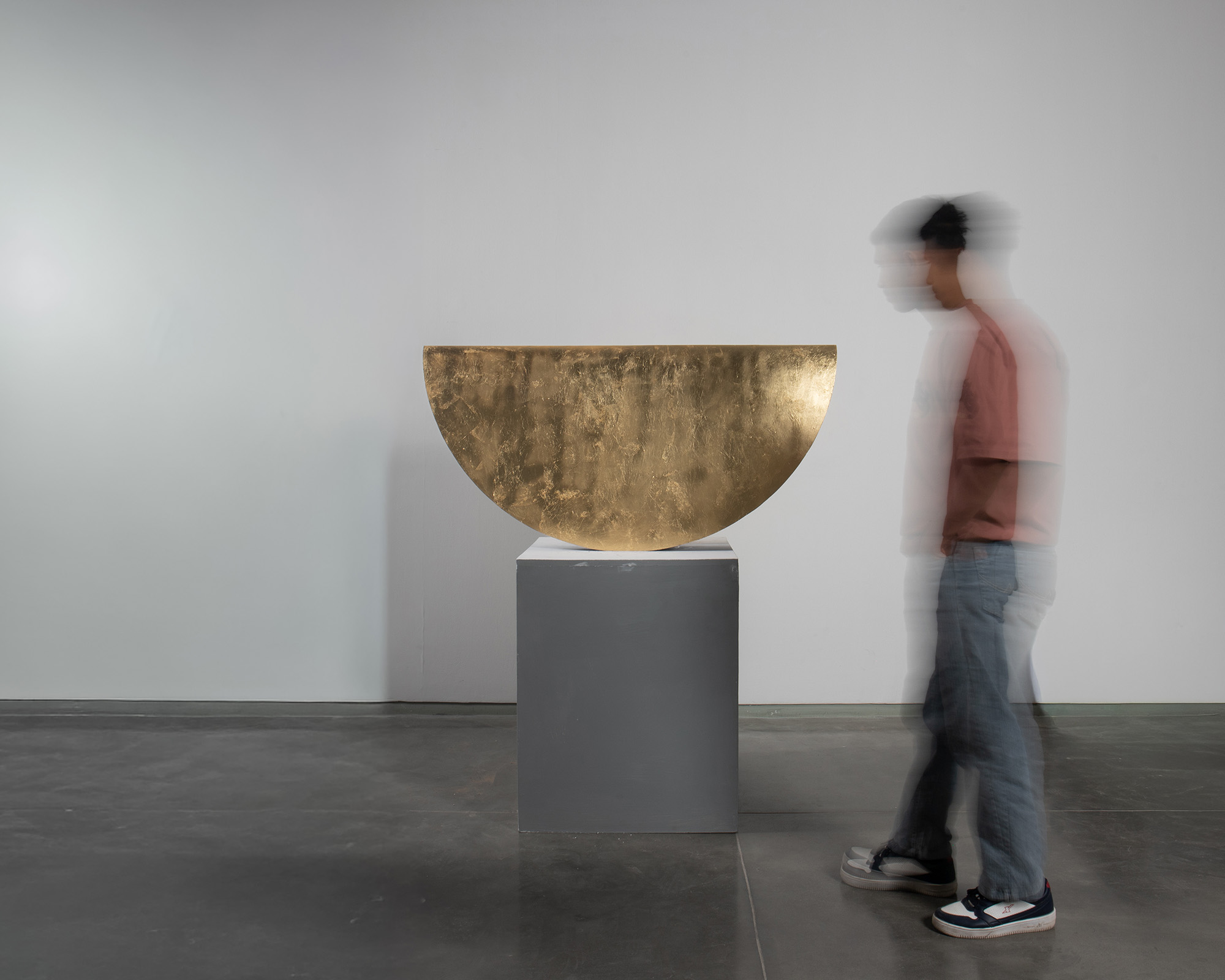
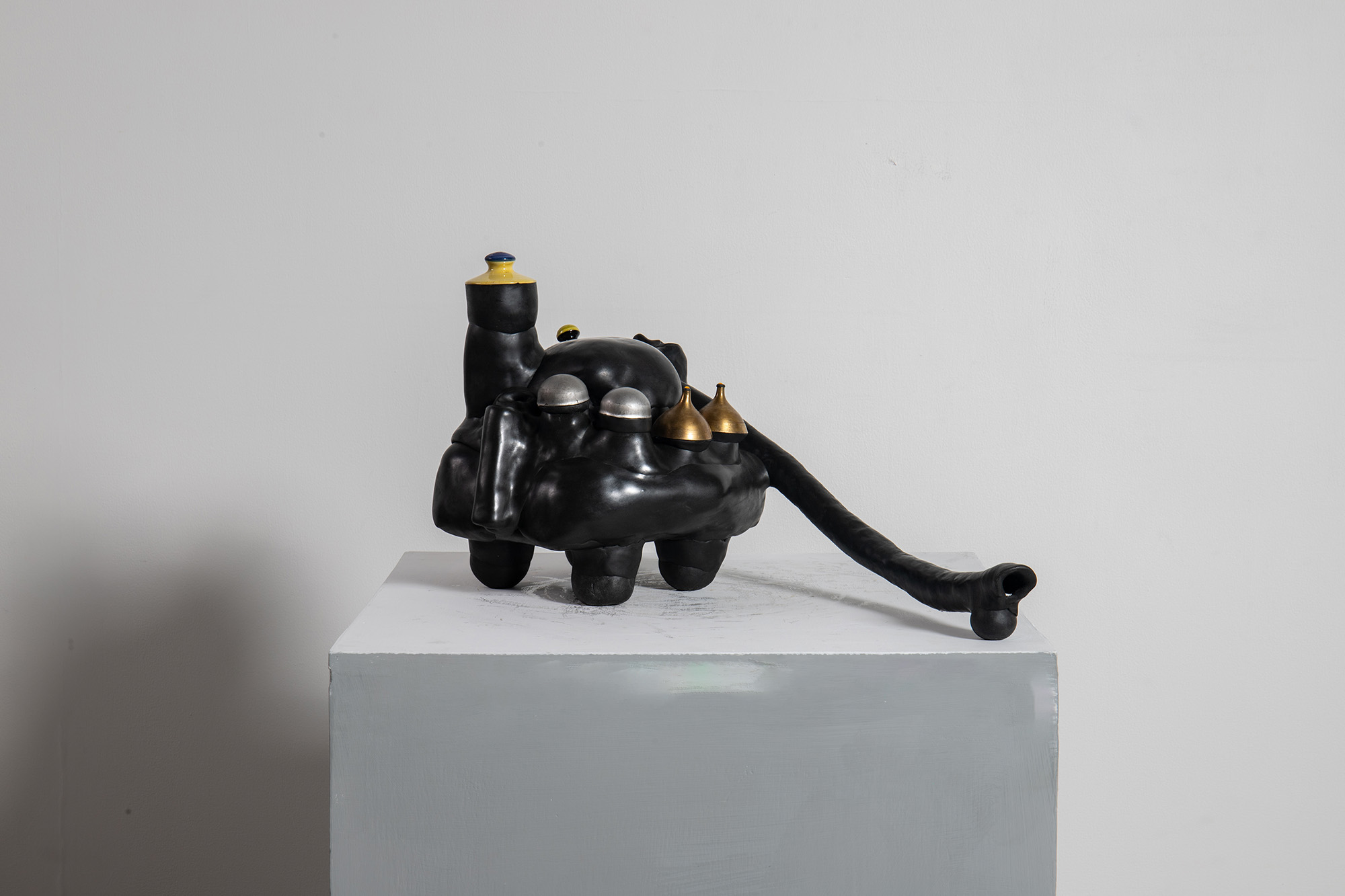
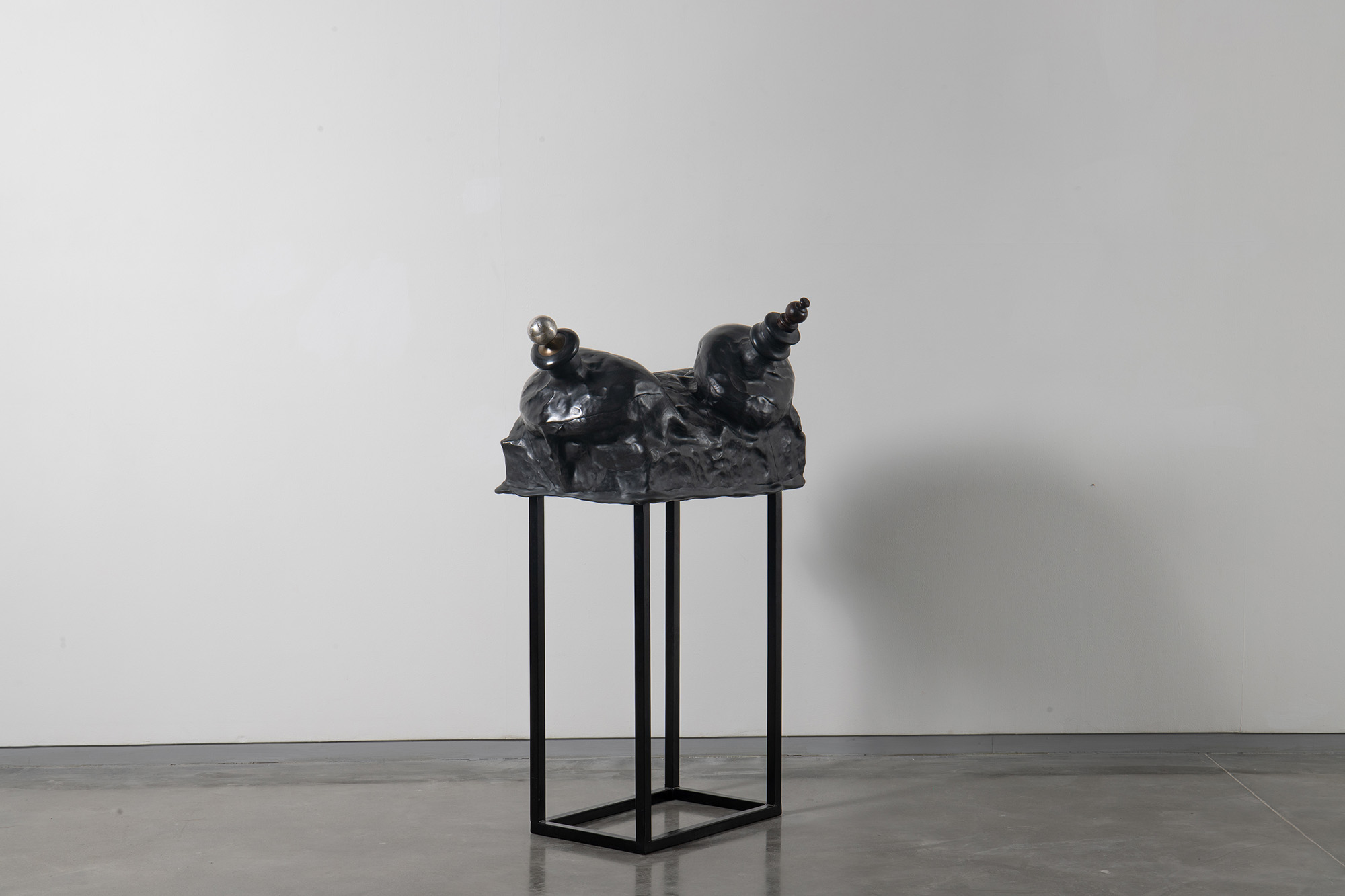
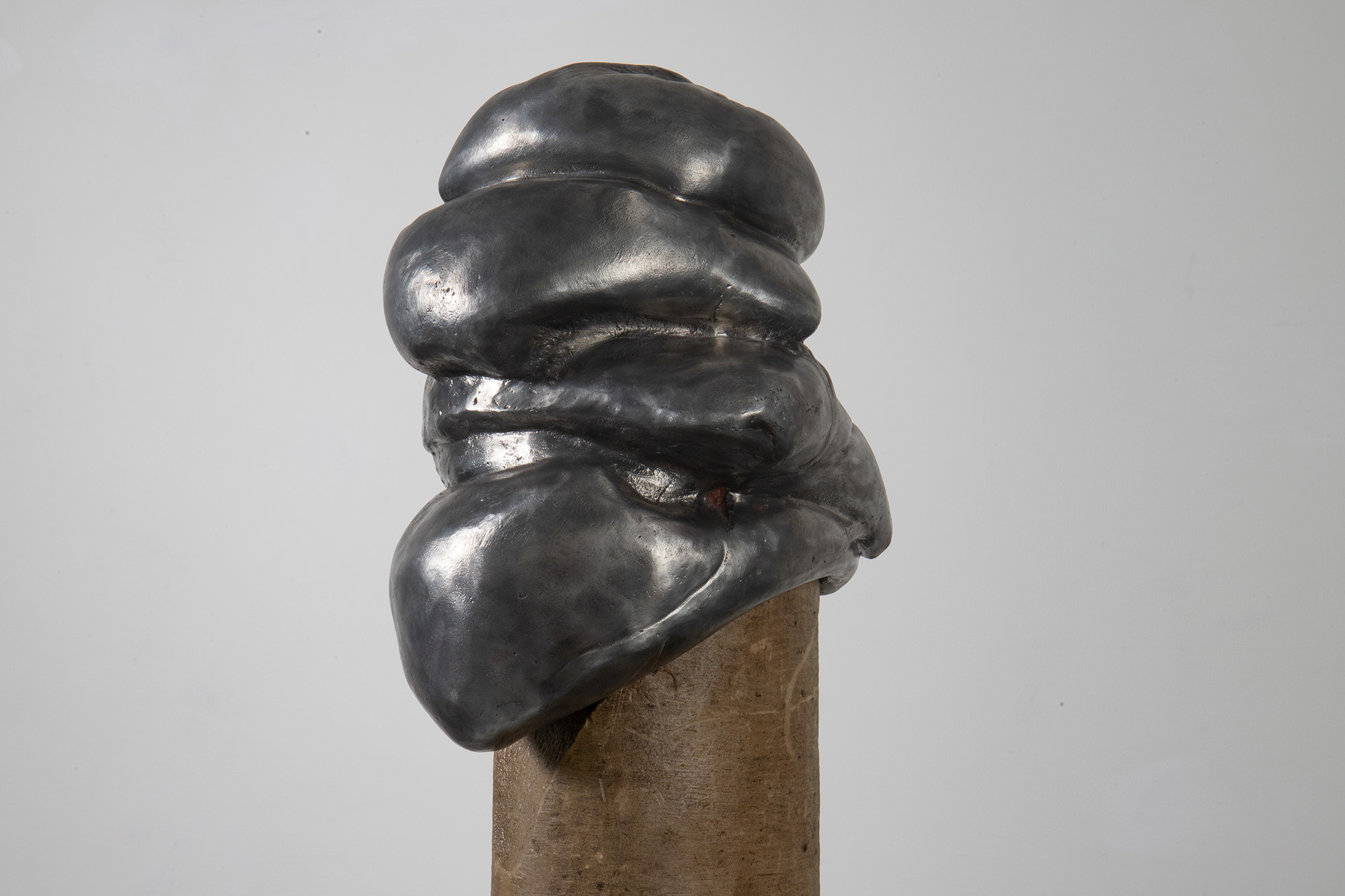
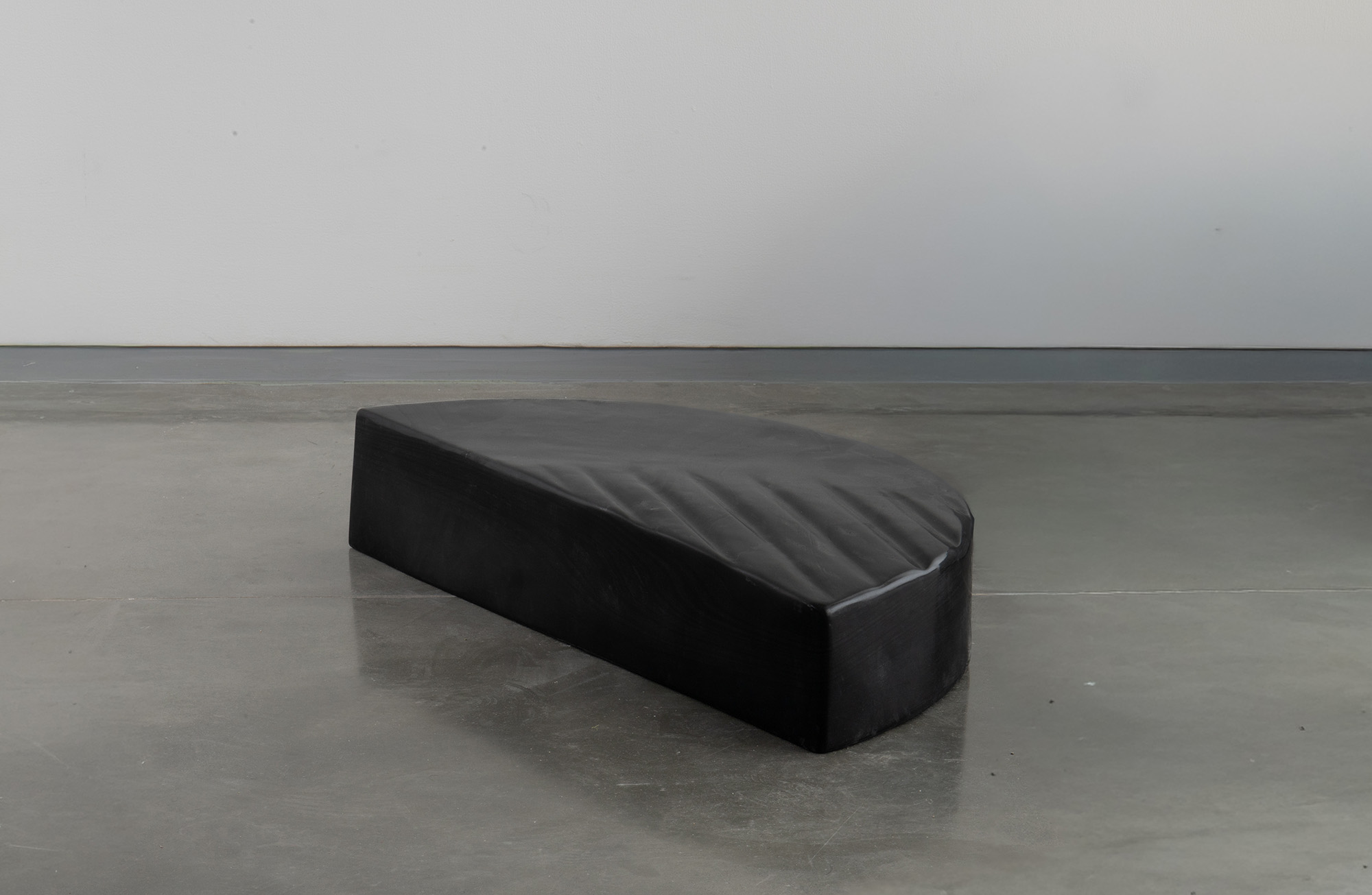
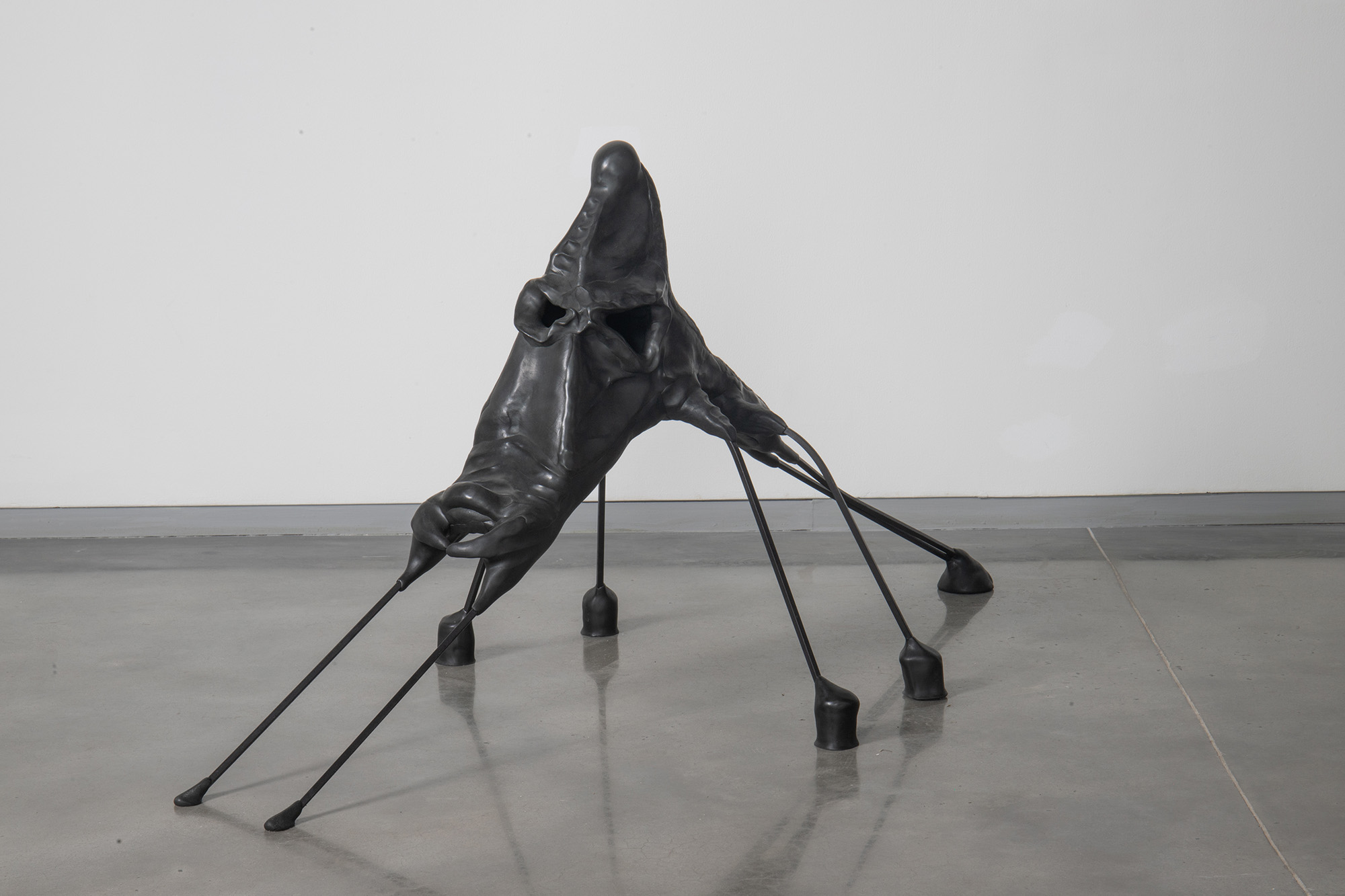
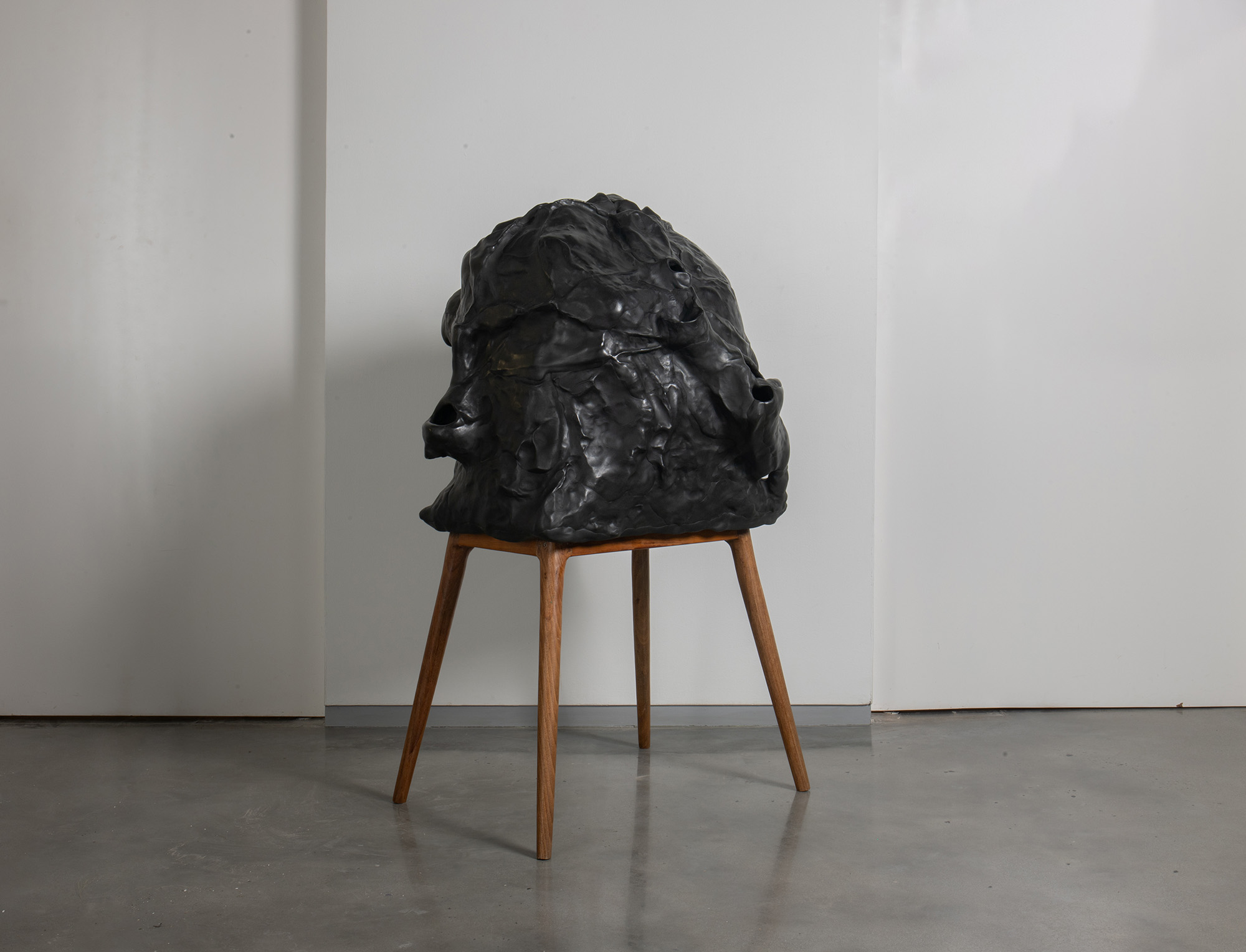
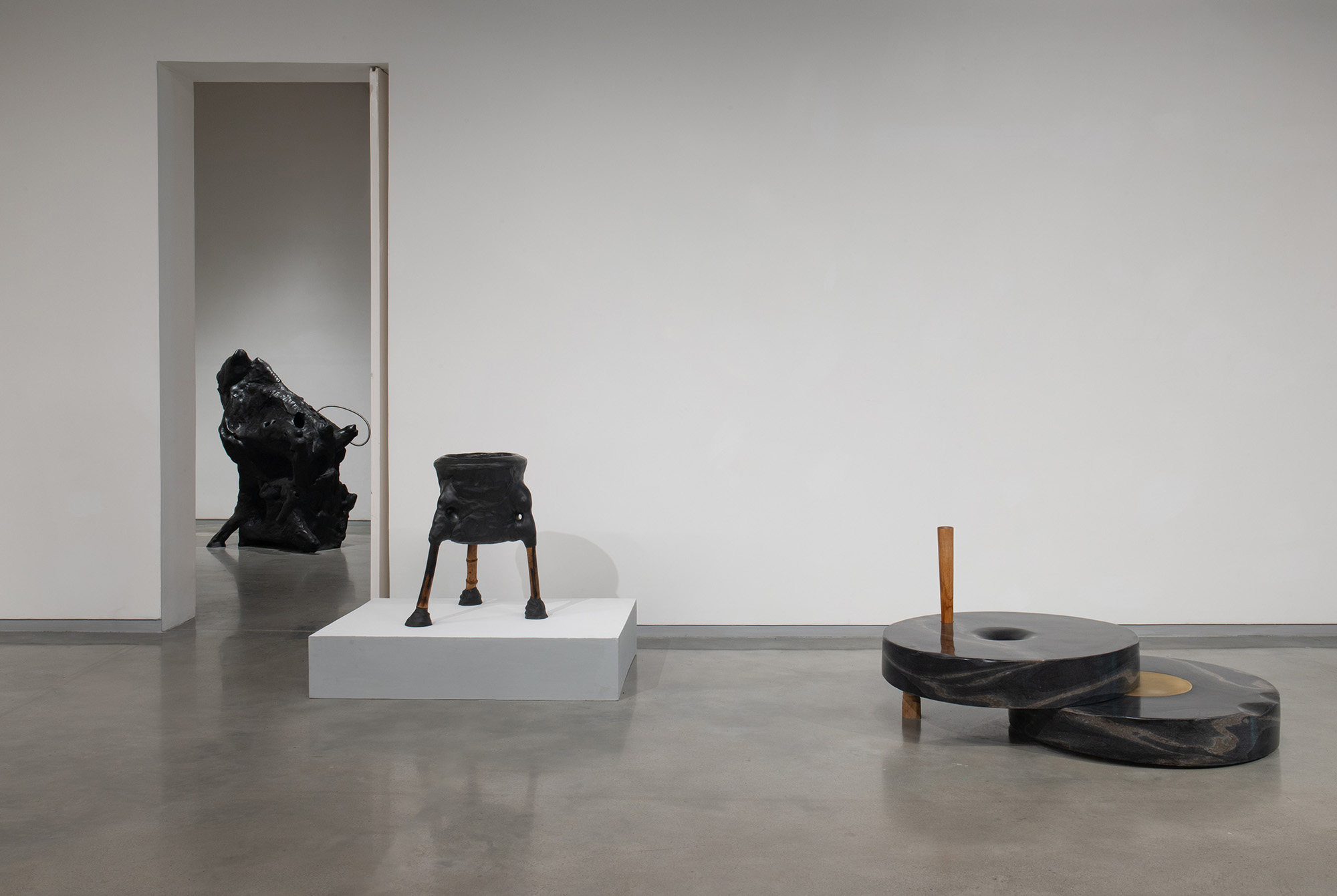
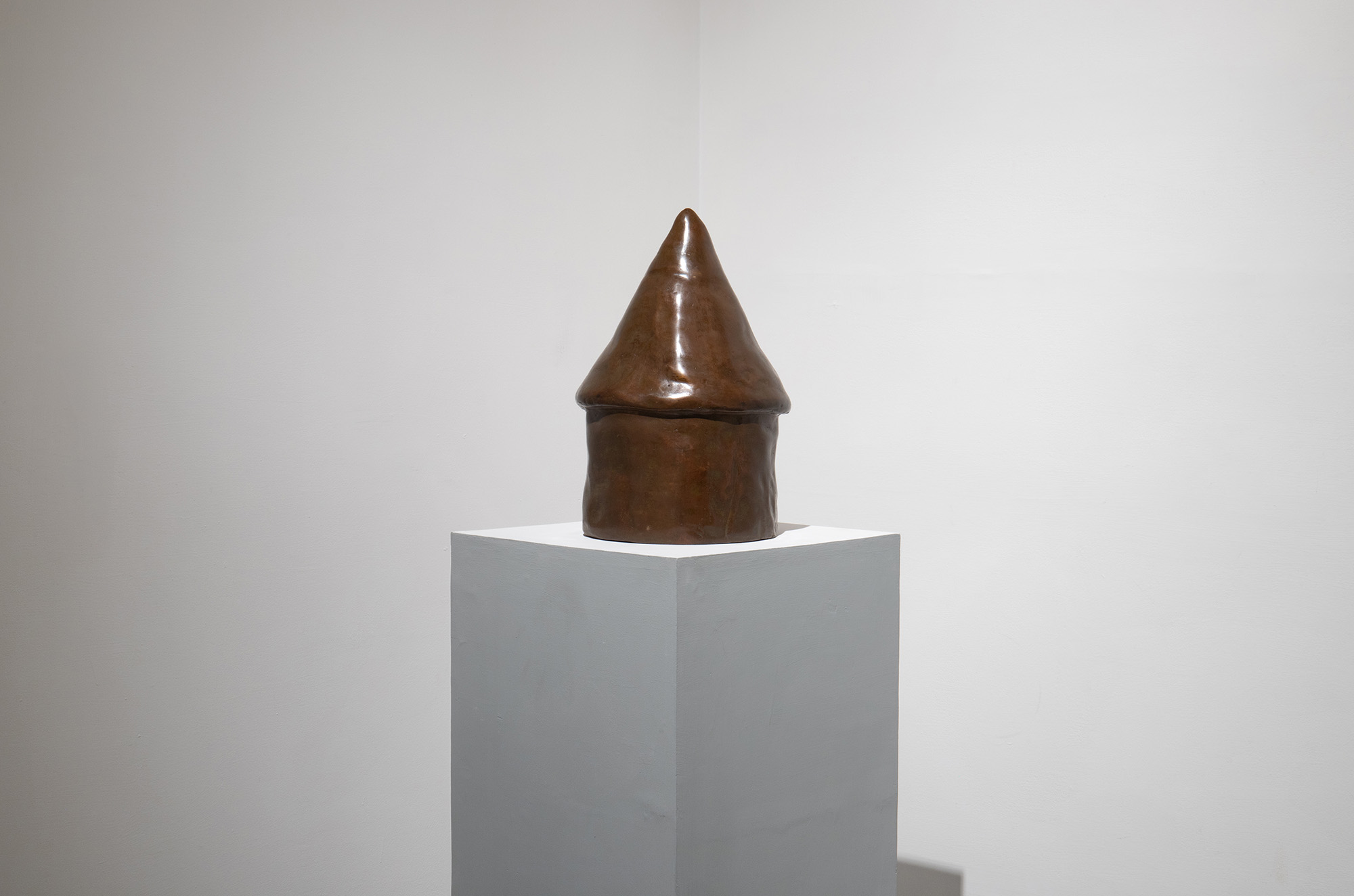
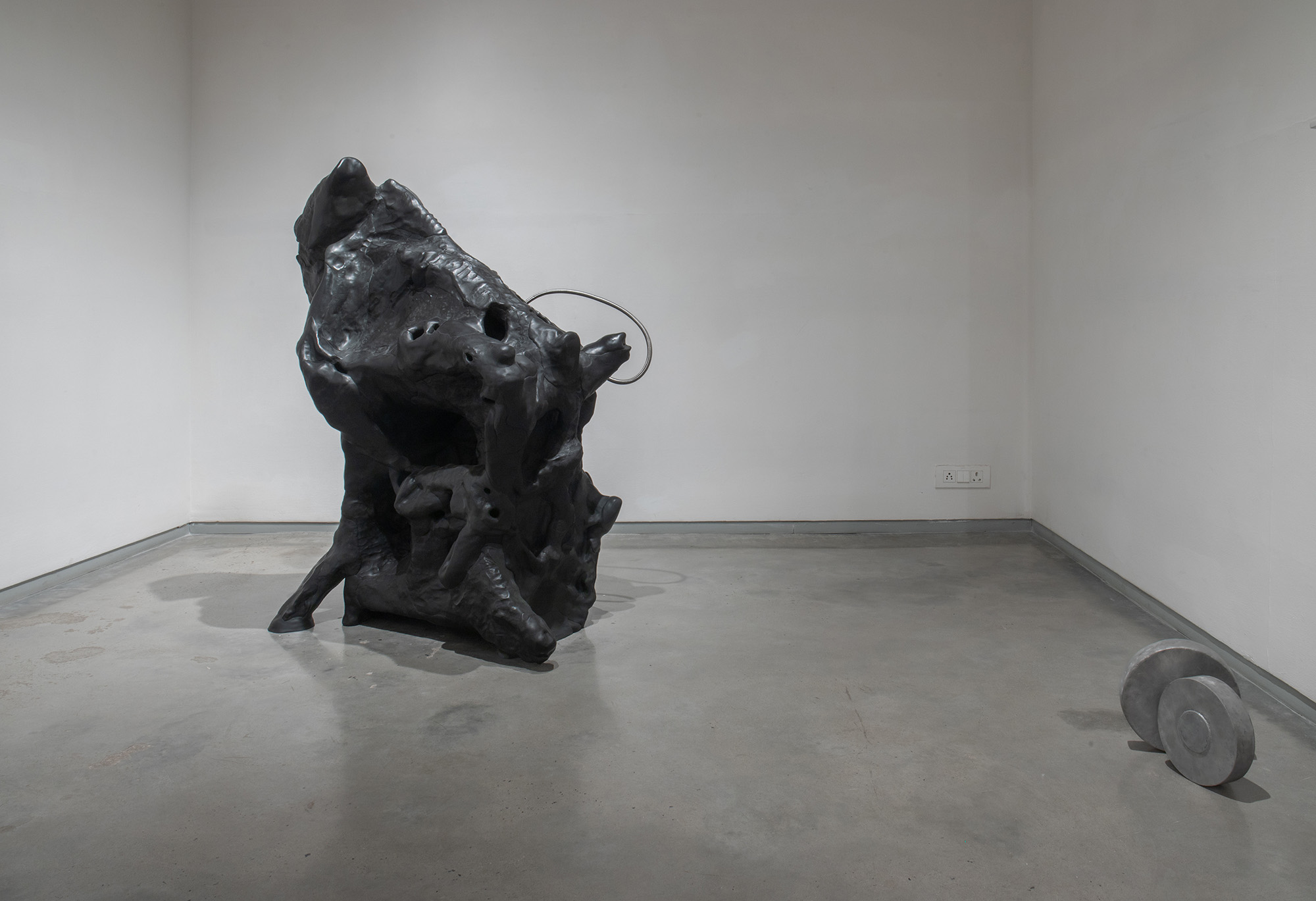
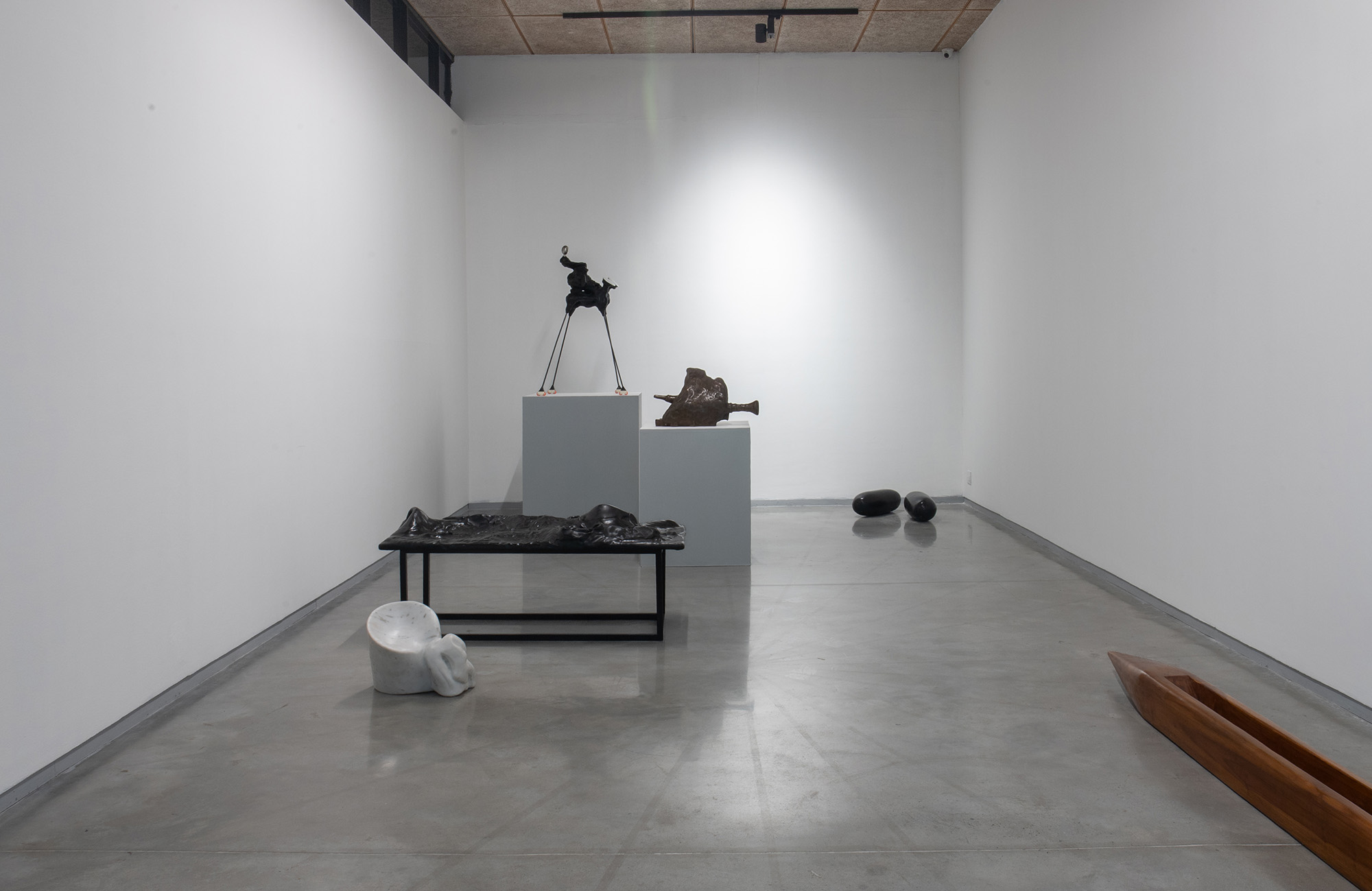
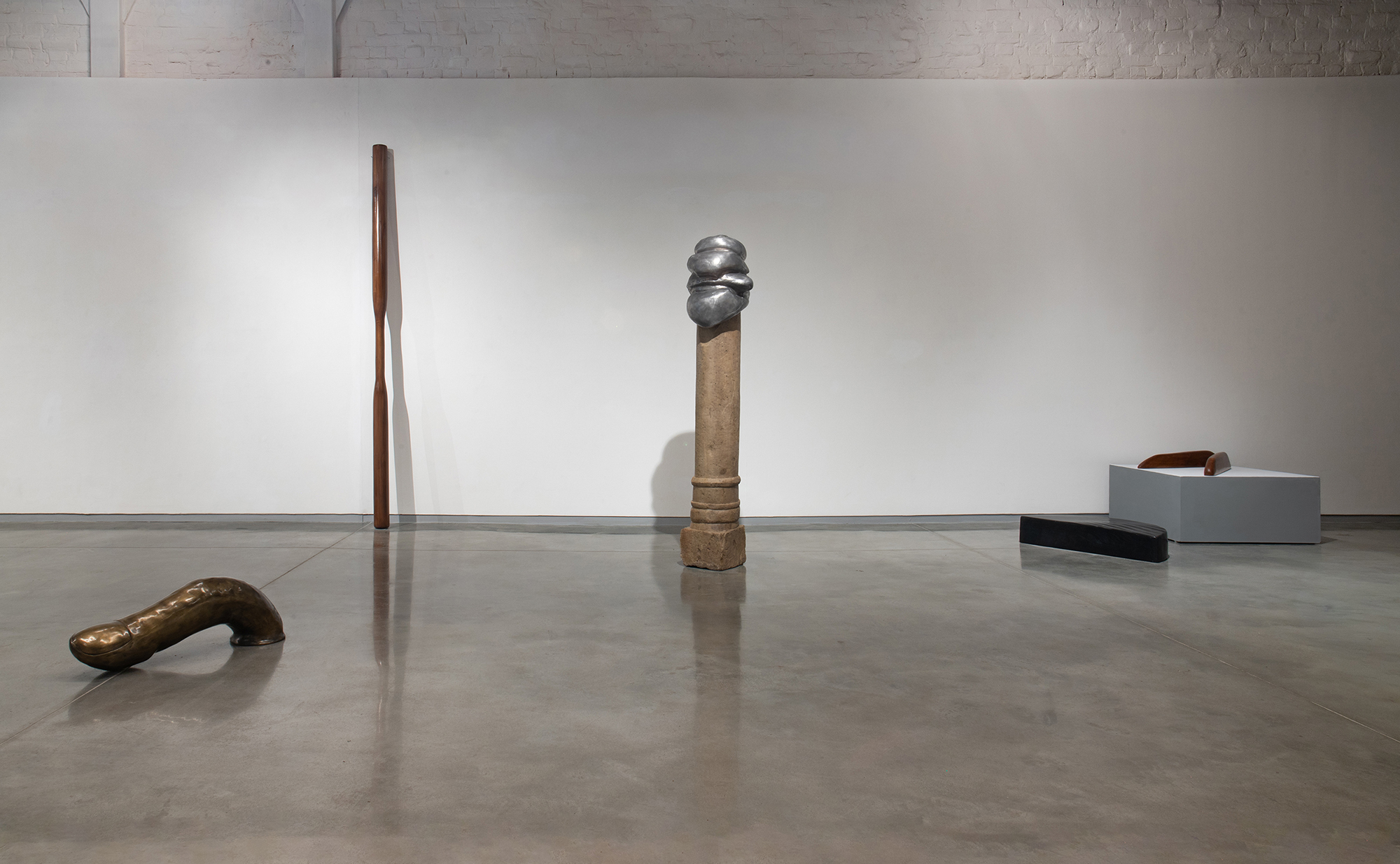
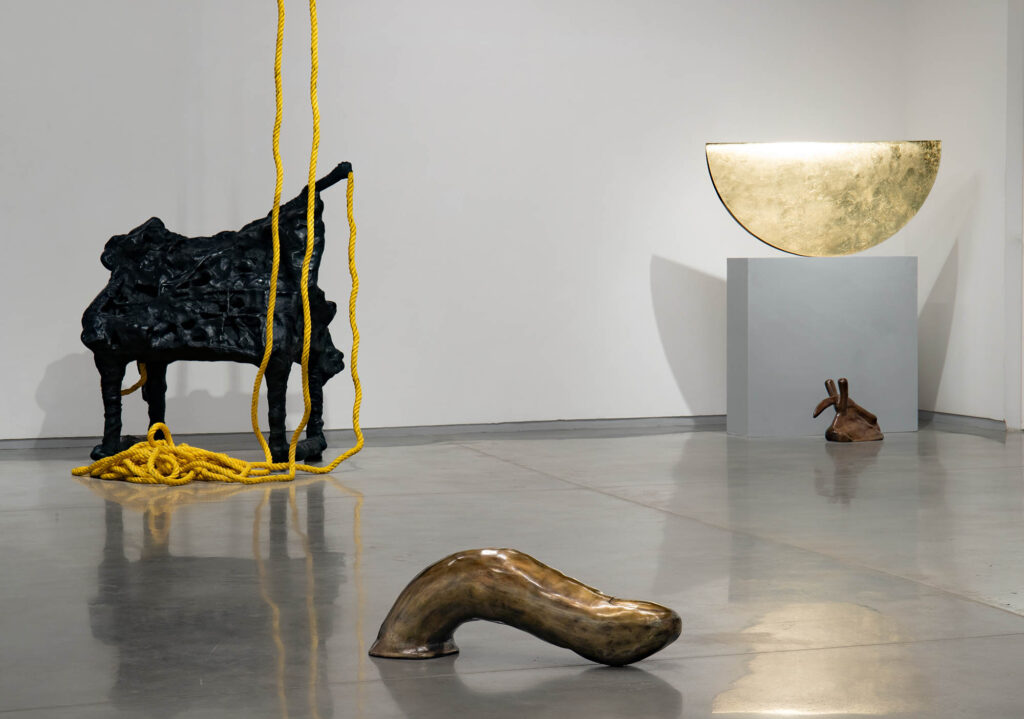
Nature Morte is pleased to present The Future of Nostalgia, a solo exhibition of new work by Murari Jha, opening April 17, 2026 at its Dhan Mill space. Marking the artist’s second solo exhibition with the gallery, the show brings together a body of work that reflects his ongoing engagement with memory, the body, and the idea of objects.
At the centre of the exhibition is a simple but resonant question: what does it mean to remember the future? With the title of the show, inspired by Svetlana Boym’s book of the same name, Jha approaches nostalgia not as a return to the past, but as a way of shaping what lies ahead, a longing not only for what has been, but for a different pace and rhythm of life. In his work, memory becomes active, something that continues to shift and inform how we imagine ourselves and the world around us.
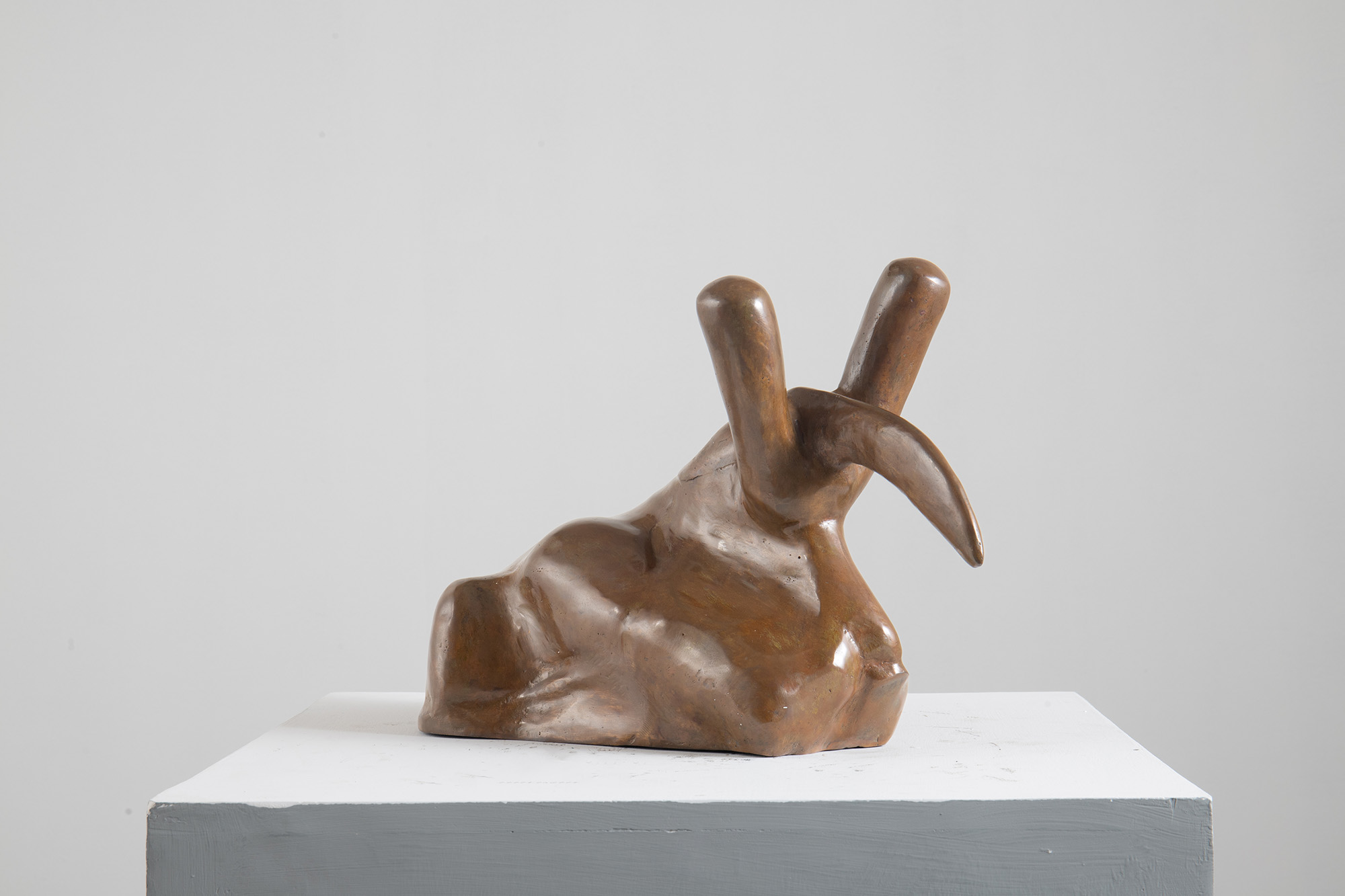
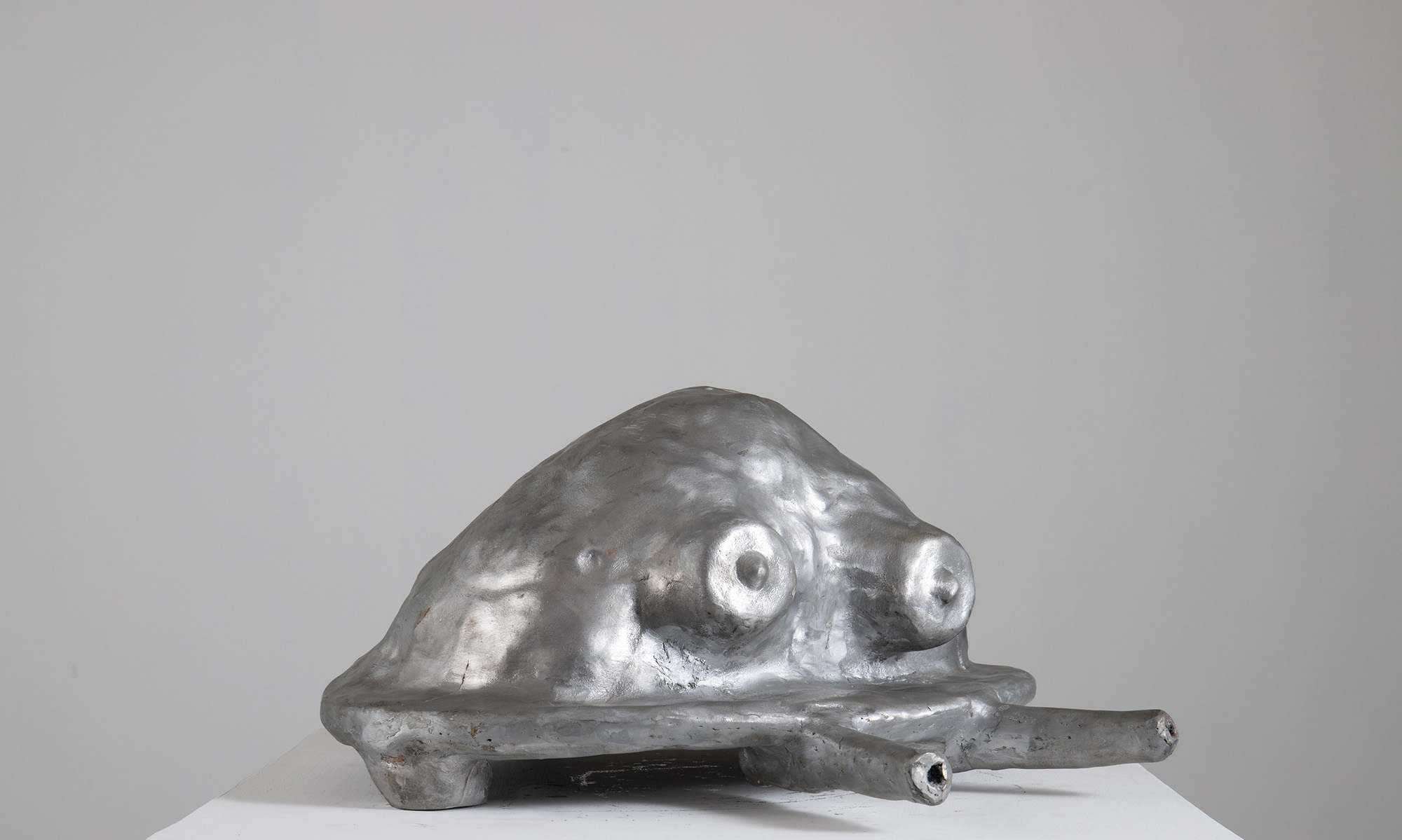
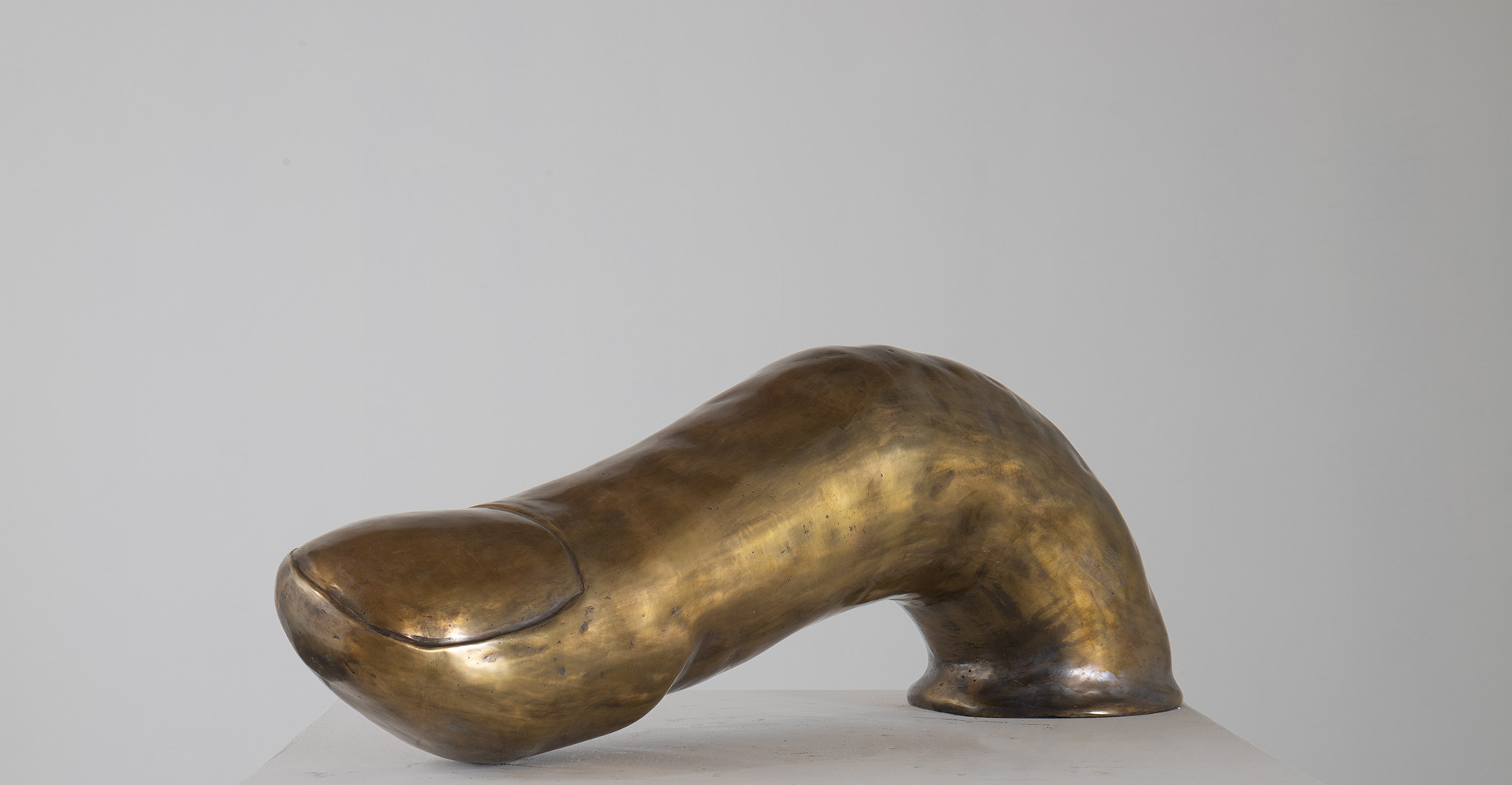
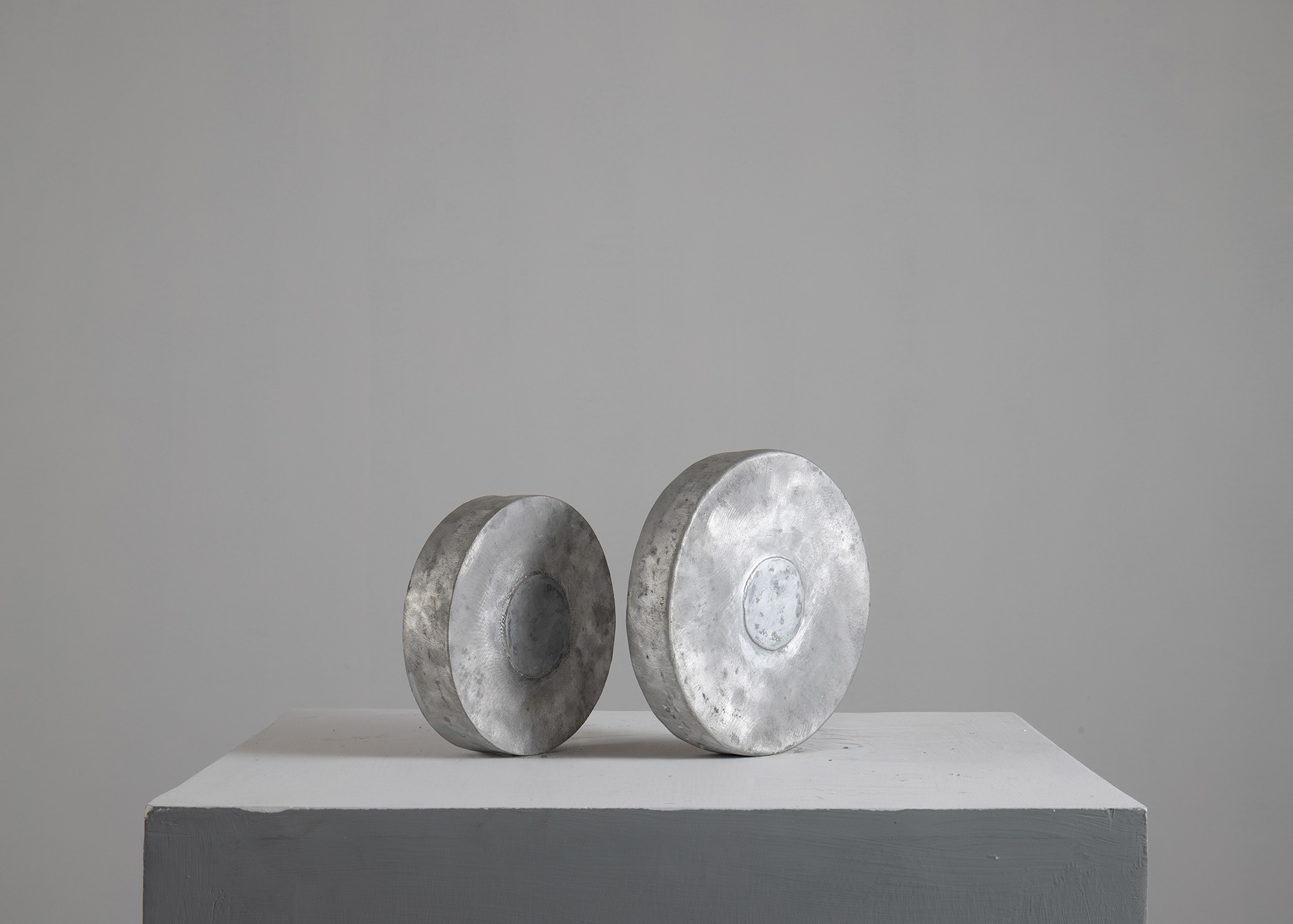
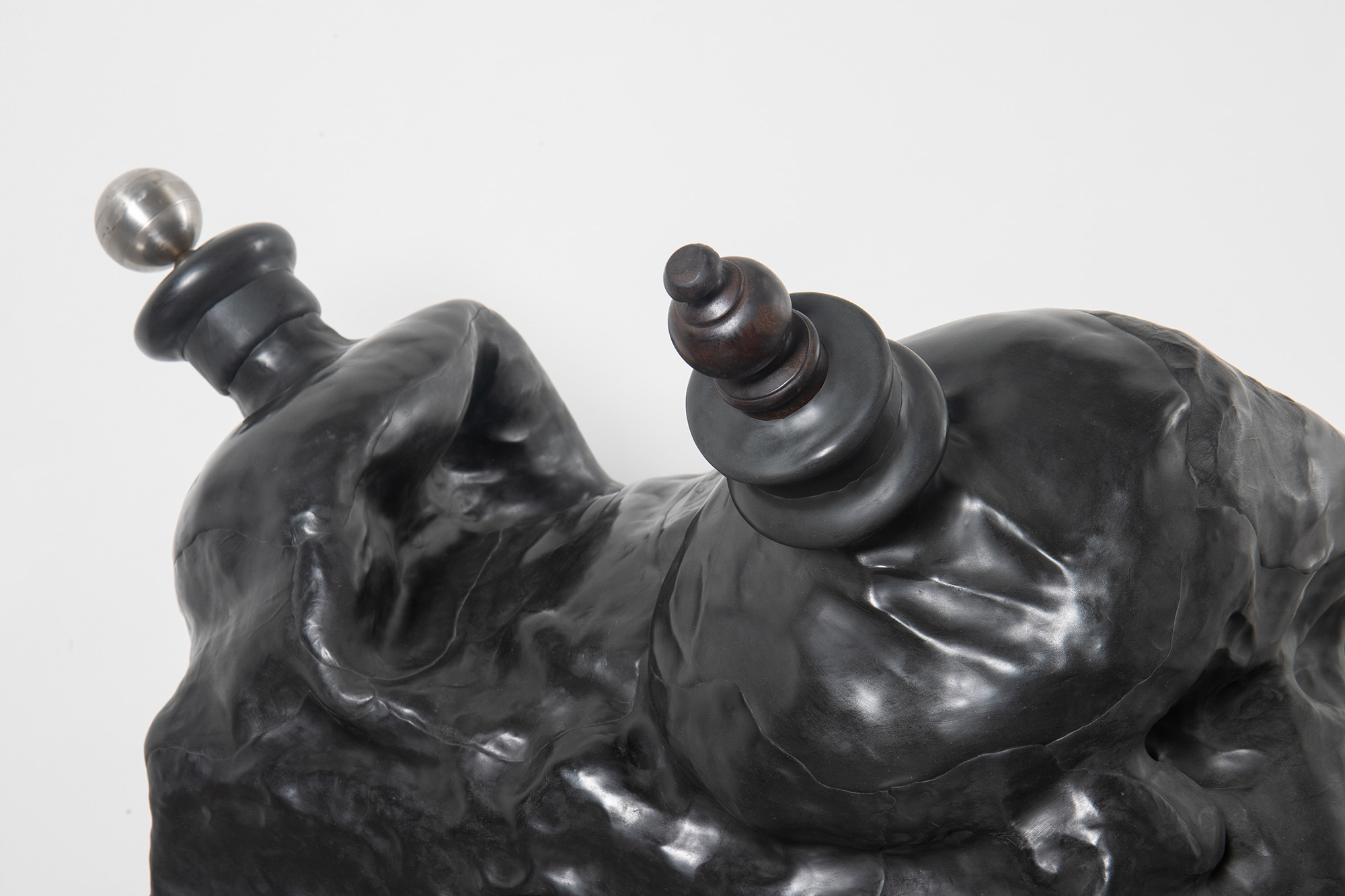
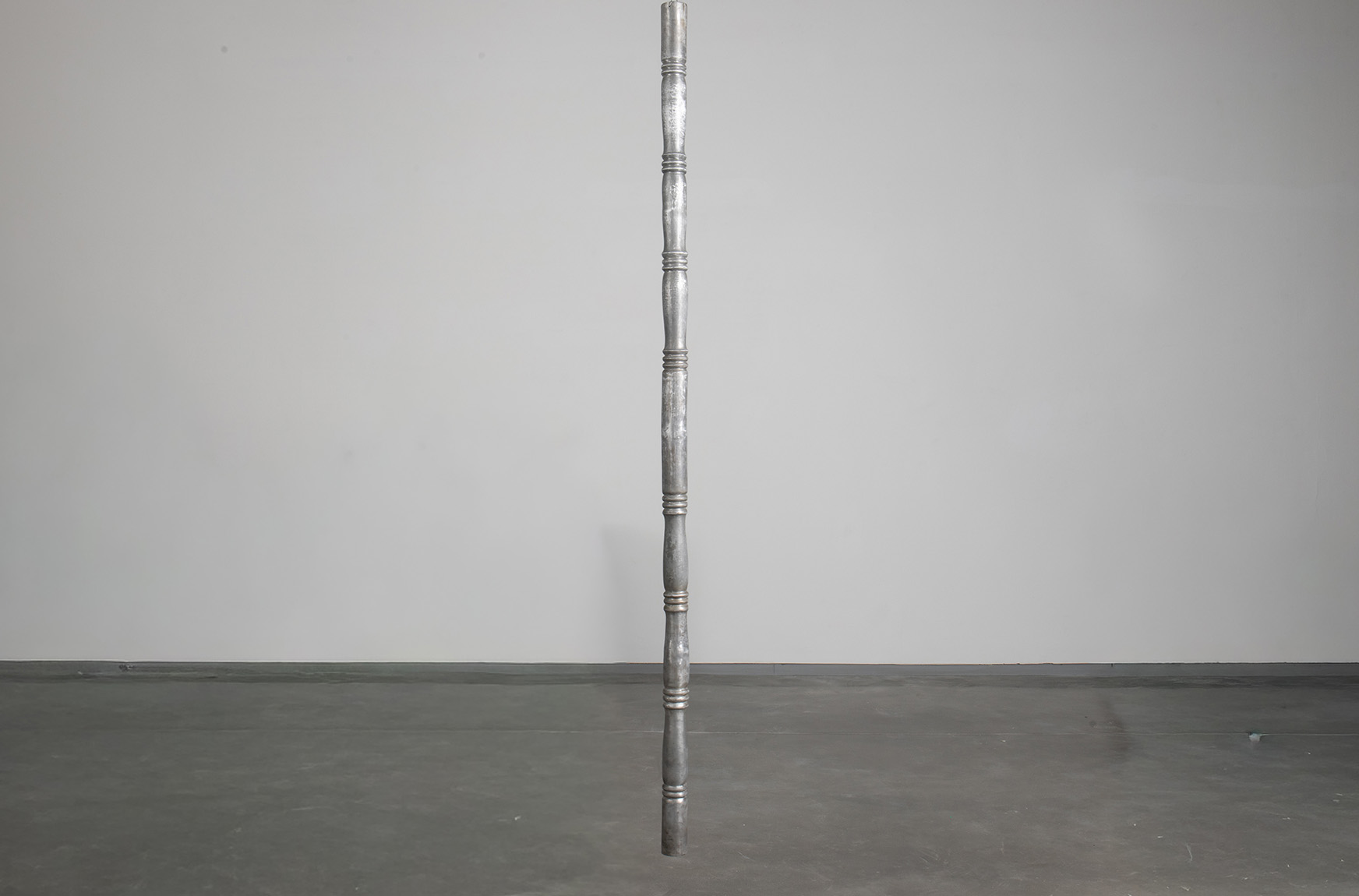
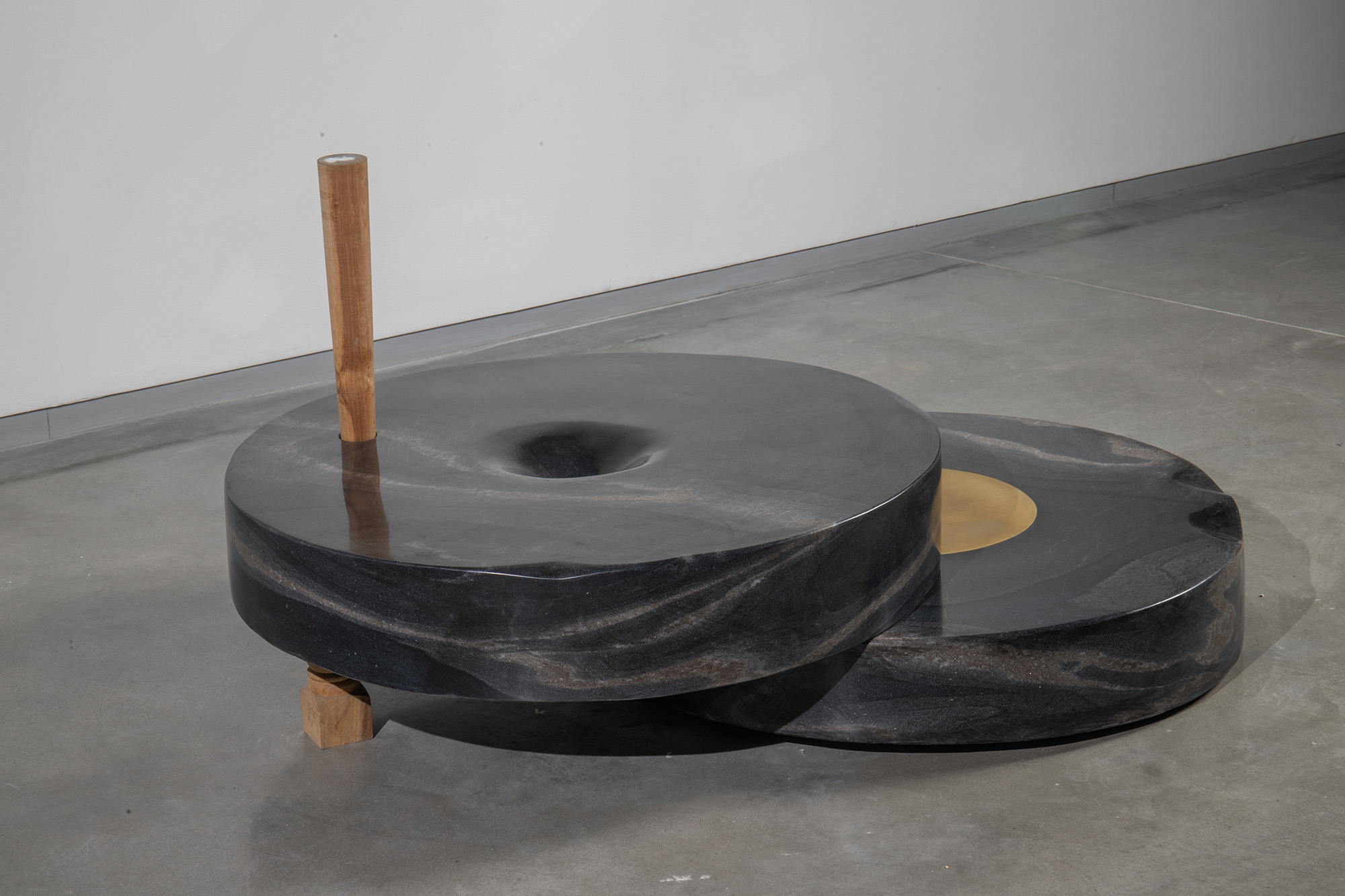
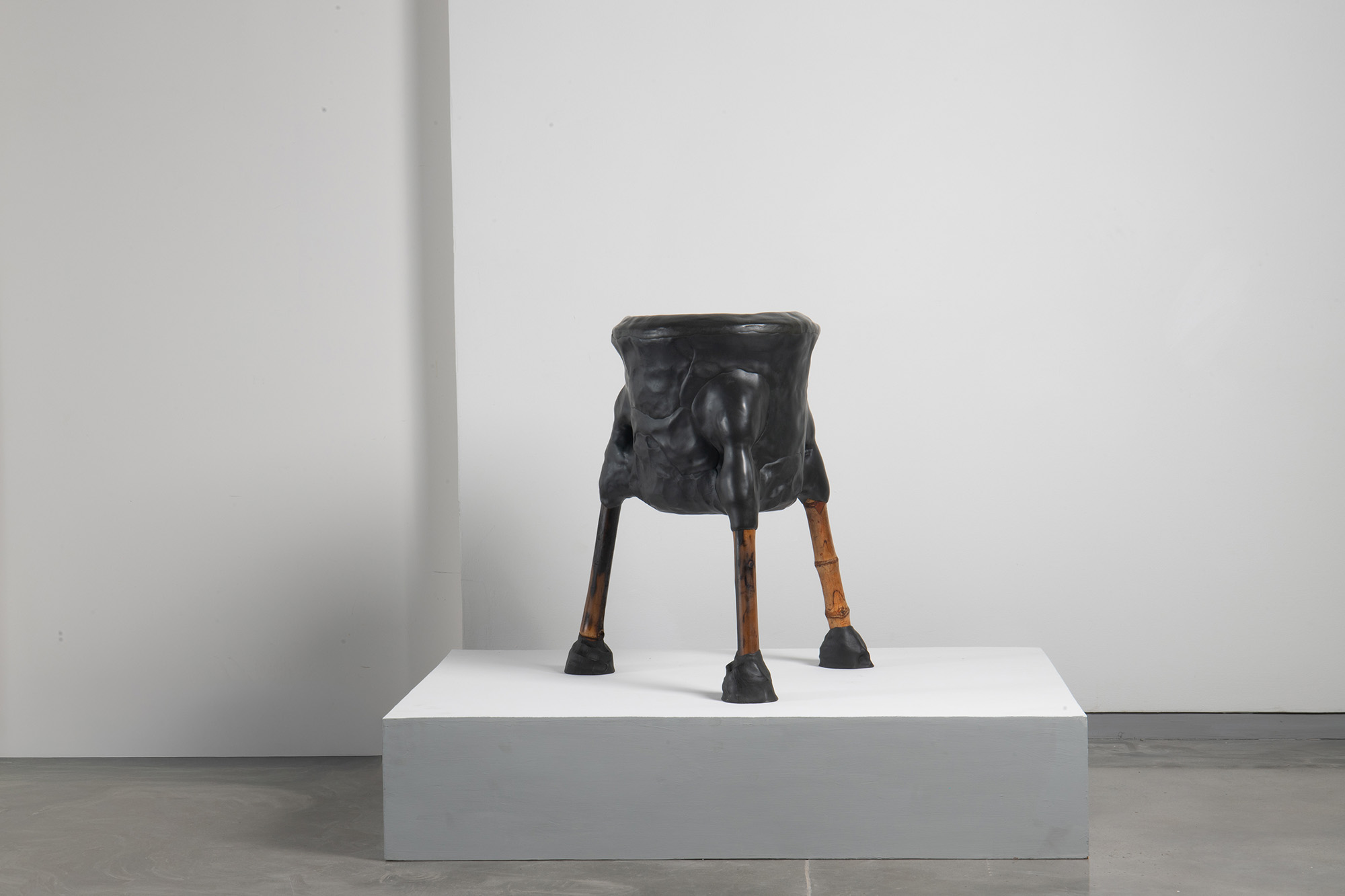
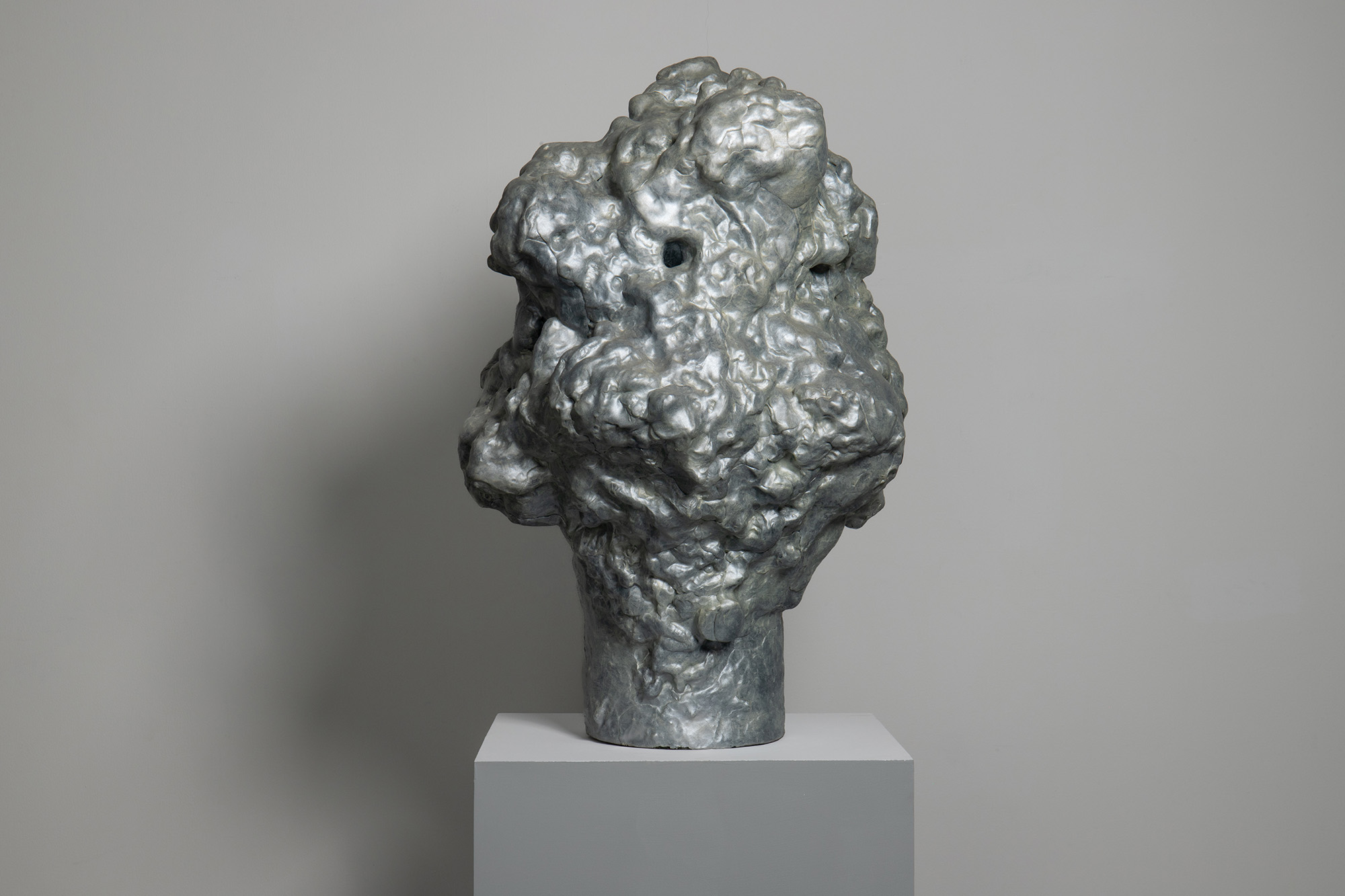
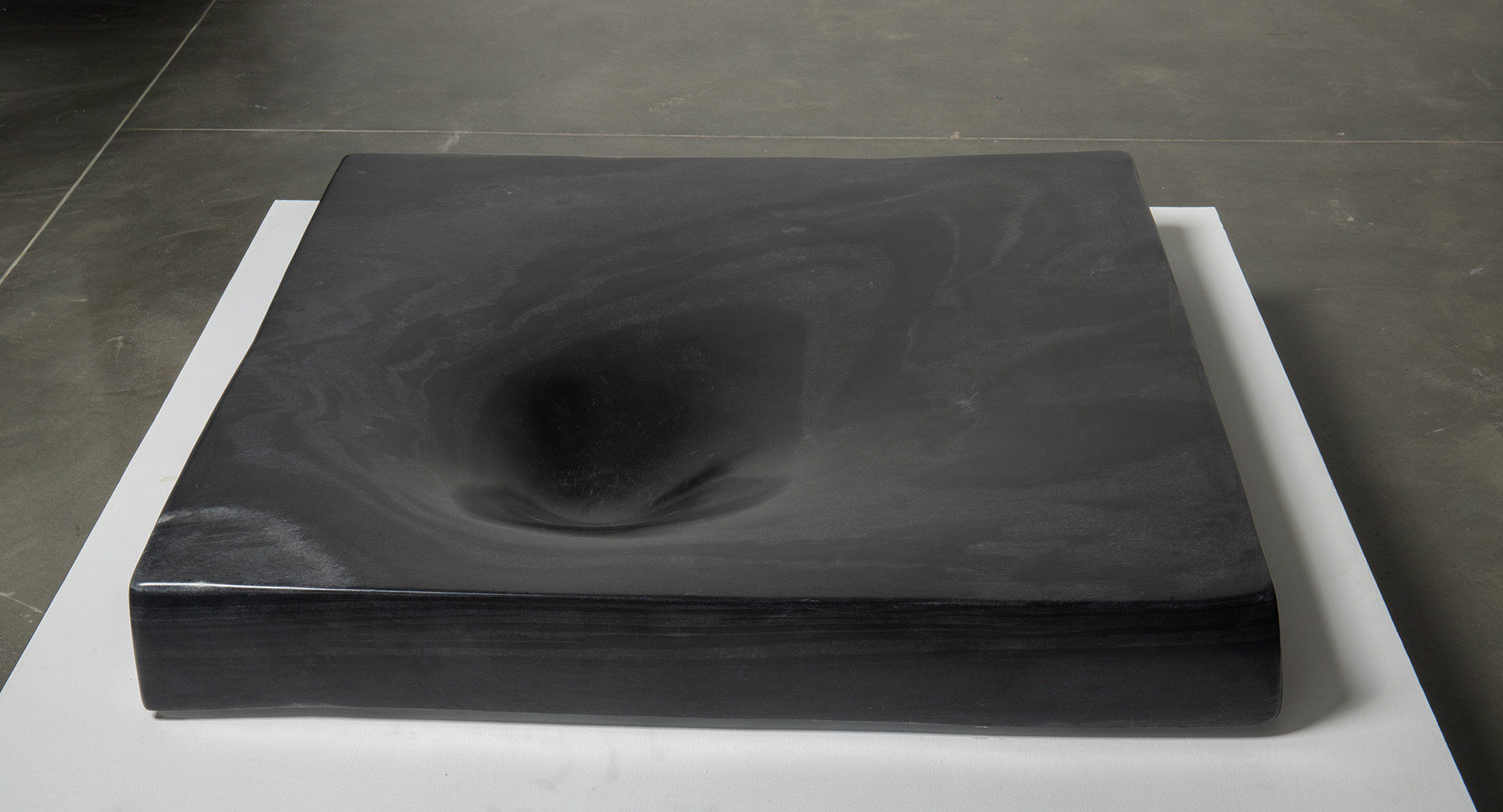
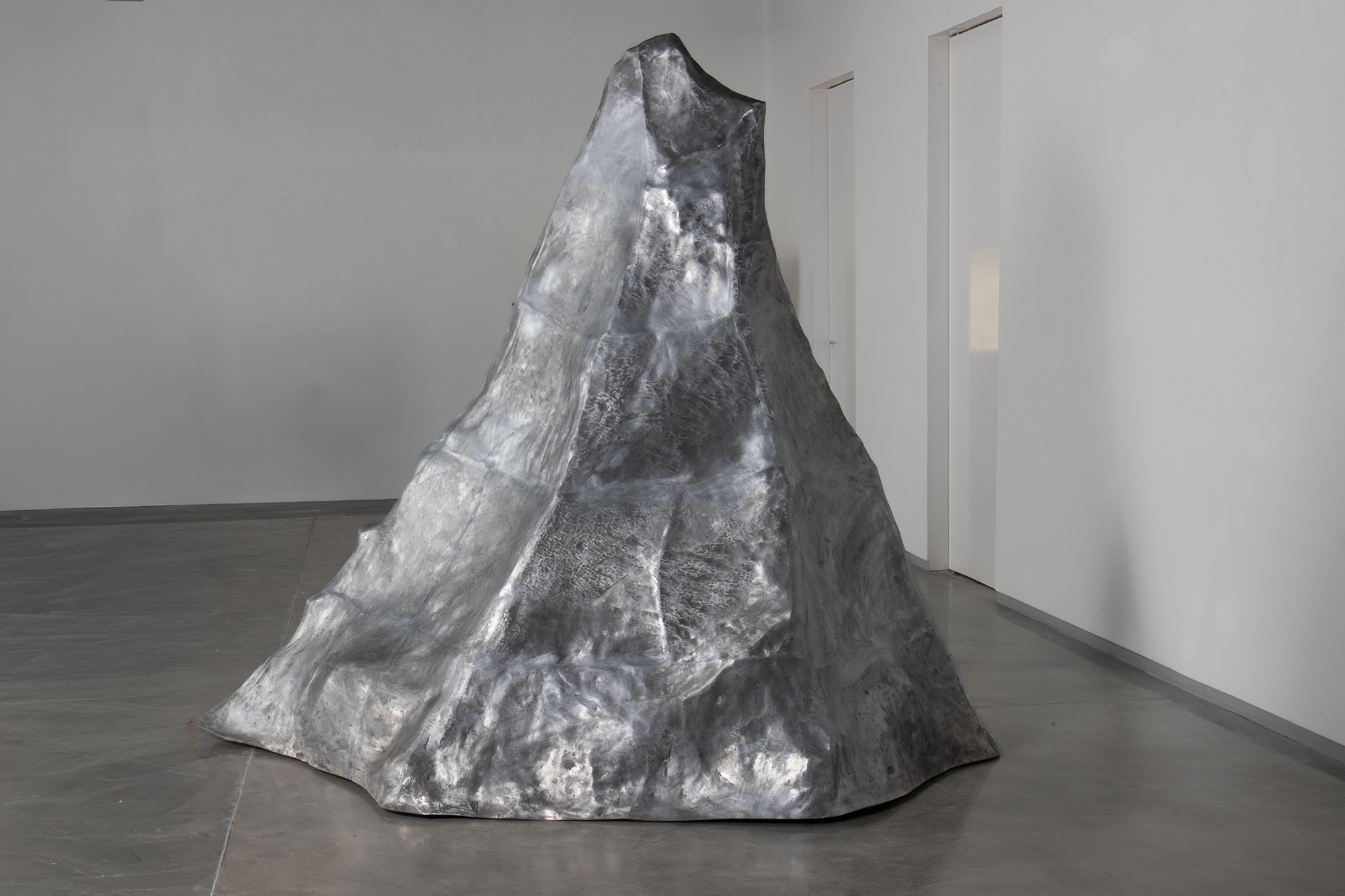
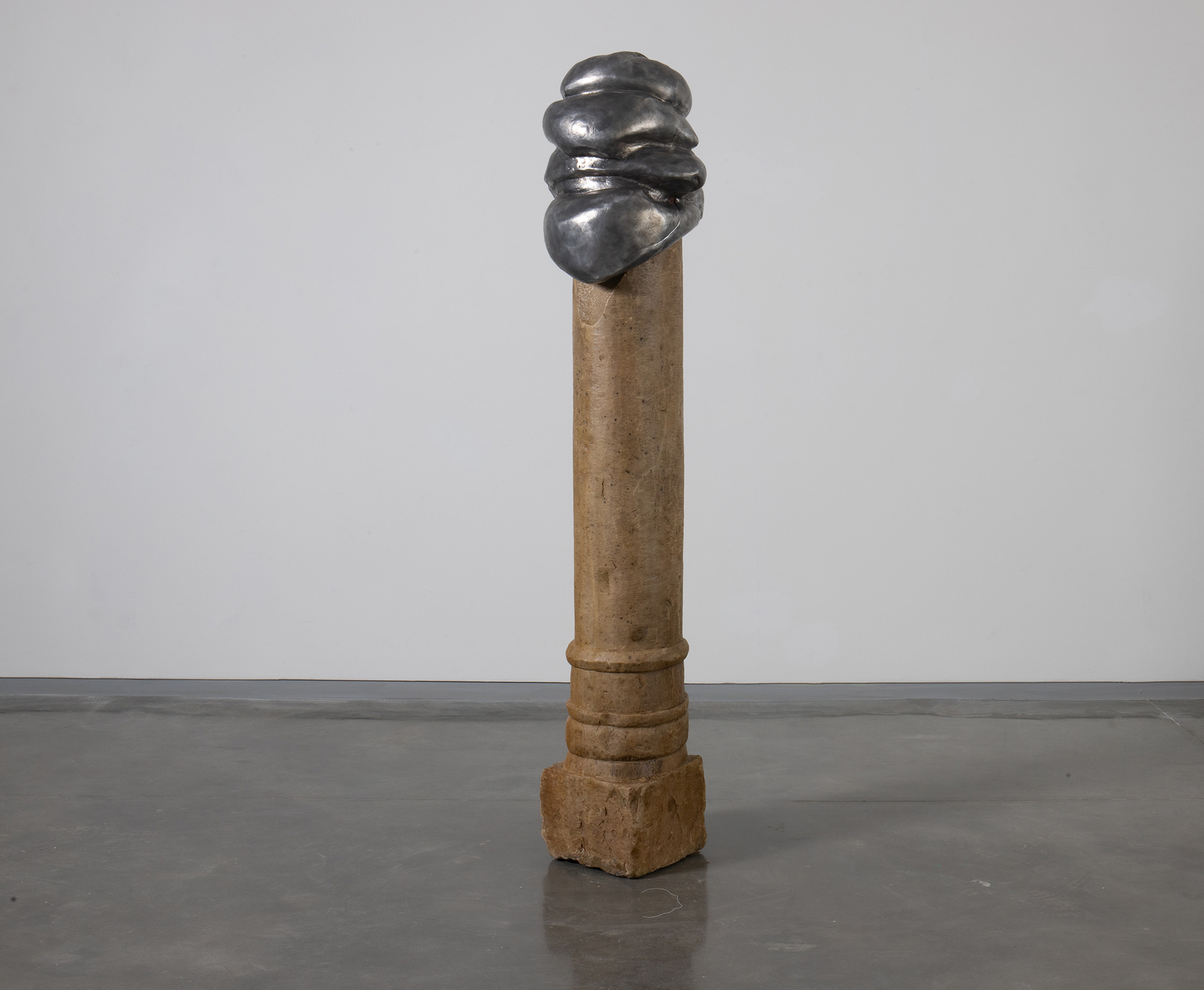
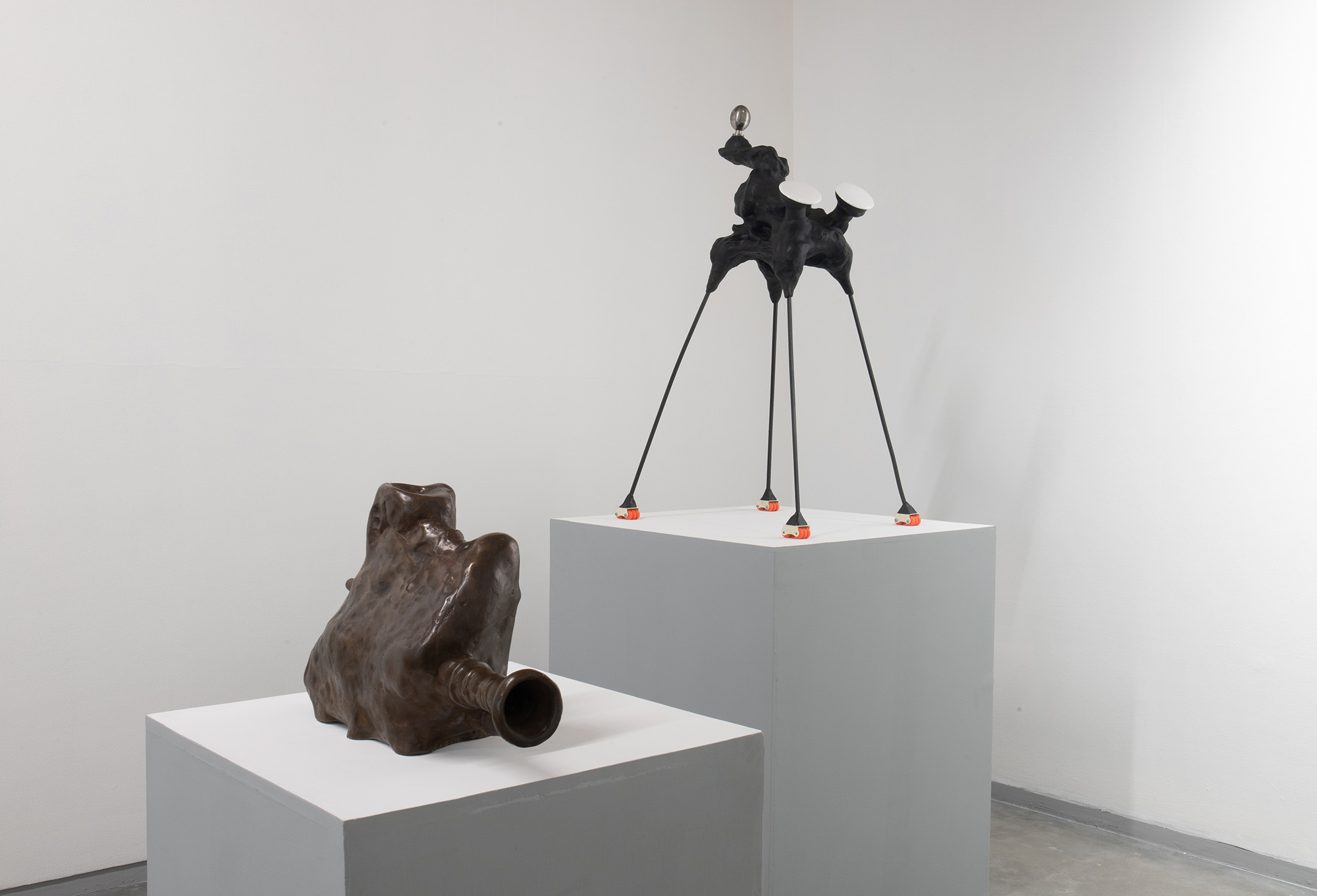
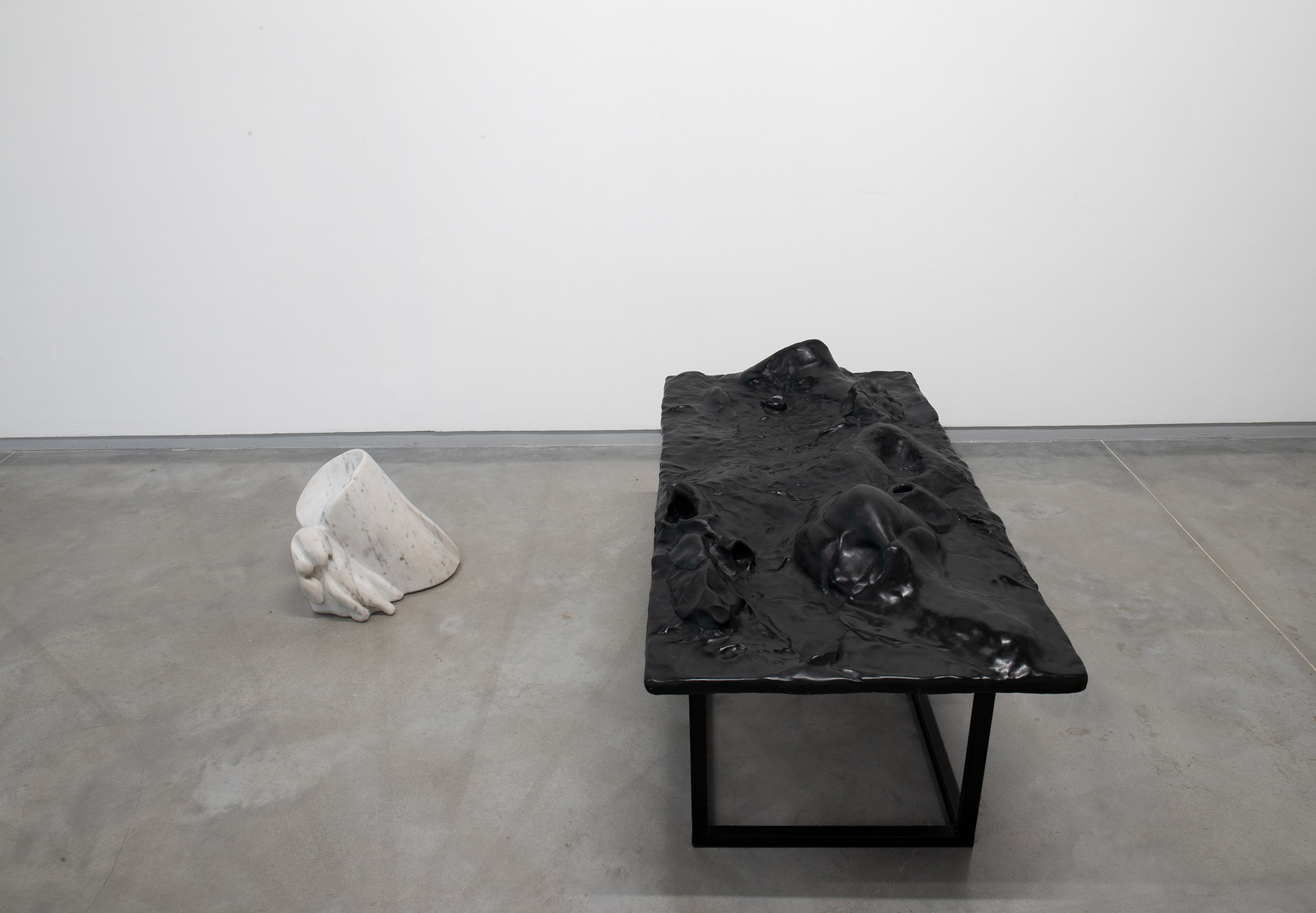
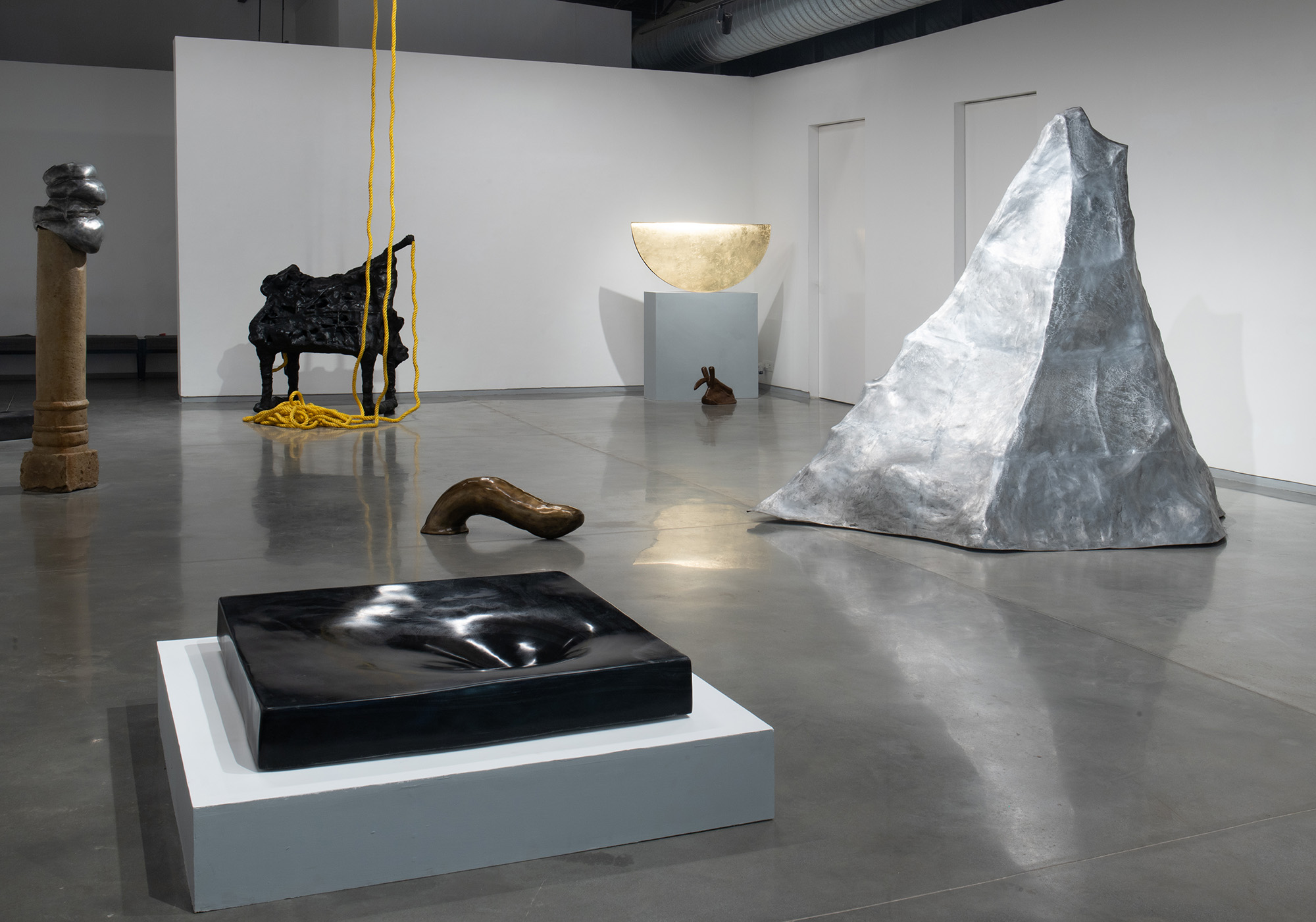
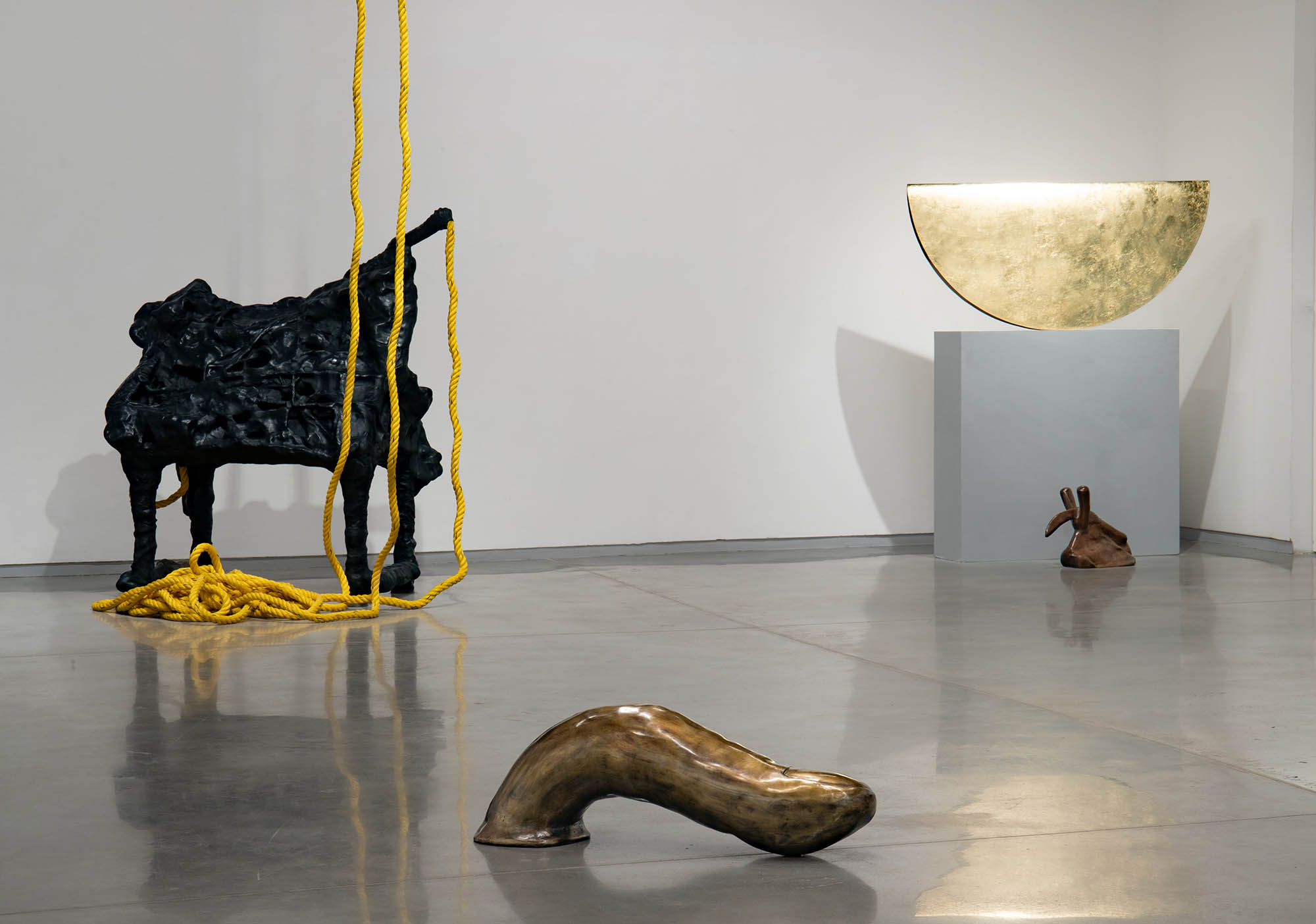
The exhibition presents a series of forms that feel at once familiar and unsettled. The memories we select in the present reshape how we imagine the future and the values we carry forward. These are not fixed images, but traces: of touch, movement, and time. Built through slow, repetitive gestures, the works carry a sense of care and accumulation, where materials become forms which hold the imprints of experiences both lived and virtual. These sculptures move between association and abstraction, suggesting landscapes that are both personal and collective.
Made in a variety of materials (stone, bronze, wood, brass, synthetic putty, and aluminum) the works reference animals, tools, architectural details, insects, toys, and vegetables and erase distinctions between these categorizations. Brought together into a non-linear arrangement through which the viewer moves in any possible direction, Jha’s sculptures are actors in a theatrical tableau where the visual representation of things are disconnected from any preconceived meanings.
At the centre of the exhibition is a simple but resonant question: what does it mean to remember the future? With the title of the show, inspired by Svetlana Boym’s book of the same name, Jha approaches nostalgia not as a return to the past, but as a way of shaping what lies ahead, a longing not only for what has been, but for a different pace and rhythm of life. In his work, memory becomes active, something that continues to shift and inform how we imagine ourselves and the world around us.
The exhibition presents a series of forms that feel at once familiar and unsettled. The memories we select in the present reshape how we imagine the future and the values we carry forward. These are not fixed images, but traces: of touch, movement, and time. Built through slow, repetitive gestures, the works carry a sense of care and accumulation, where materials become forms which hold the imprints of experiences both lived and virtual. These sculptures move between association and abstraction, suggesting landscapes that are both personal and collective.
Made in a variety of materials (stone, bronze, wood, brass, synthetic putty, and aluminum) the works reference animals, tools, architectural details, insects, toys, and vegetables and erase distinctions between these categorizations. Brought together into a non-linear arrangement through which the viewer moves in any possible direction, Jha’s sculptures are actors in a theatrical tableau where the visual representation of things are disconnected from any preconceived meanings.